Renovating A Tarrytown Home Without Losing The Charm
April 23, 2026
April 23, 2026
Thinking about updating a Tarrytown home? In one of Central Austin’s older neighborhoods, the goal is rarely to make a house look brand new at any cost. More often, you want a home that lives better today while still feeling like it belongs on the block. This guide will walk you through what gives Tarrytown its character, what to check before you renovate, and how to make changes that support both daily life and long-term resale. Let’s dive in.
Tarrytown’s appeal is tied to more than location. According to the Central West Austin Combined Neighborhood Plan, it is one of Central Austin’s older, predominantly single-family neighborhoods, with interior streets, established tree canopy, and a development pattern that predates many current city standards.
That older pattern still shapes how the neighborhood feels today. The City notes that some streets remain narrower, and some still lack sidewalks because the area developed before those requirements were in place. Combined with mature trees and an older street grid, that creates a setting many homeowners want to preserve.
There is also a deeper sense of place here. The City’s information on Walsh Boat Landing points to historic land holdings that included much of present-day Tarrytown, which helps explain why the neighborhood often feels layered and established rather than newly assembled.
Not every update improves a home’s fit in Tarrytown. The neighborhood plan specifically warns that some recent development has introduced houses much larger than nearby homes, more modern facades, loss of mature trees, and more impervious cover that can contribute to localized flooding.
That matters if you are planning a renovation instead of a teardown. In Tarrytown, charm is not just about original details inside the house. It is also about how the home sits on the lot, how it meets the street, and whether the exterior feels compatible with nearby homes.
In practical terms, a renovation can lose the charm when the front elevation becomes too dominant, the addition overwhelms the original structure, or site changes remove trees and add too much hardscape. Buyers often notice those things right away, even if they cannot name exactly why the house feels different.
A strong guiding principle for Tarrytown renovations is compatibility. While the neighborhood plan does not create a blanket rule for every remodel, it clearly supports a neighborhood character defined by modest street scale, established canopy, and traditional development patterns.
For many homeowners, that means keeping the home’s massing, roofline, porch rhythm, setback, and street presence from reading as radically different from the surrounding homes. If you need more square footage, the addition often works best when it reads as secondary rather than as the entire point of the house.
This does not mean your home has to stay frozen in time. It means the most successful updates usually improve function while respecting the original visual language of the property and the block.
If you want to modernize without losing the feel of the home, a few design moves tend to age well in Tarrytown.
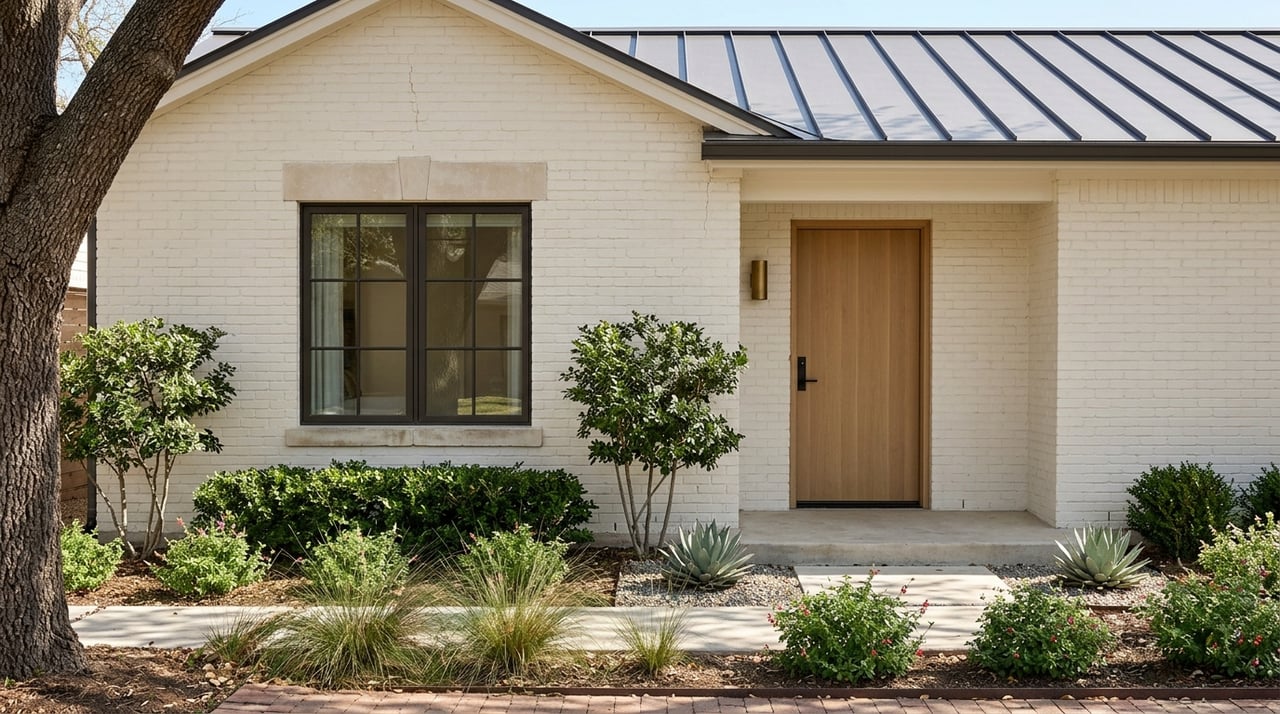
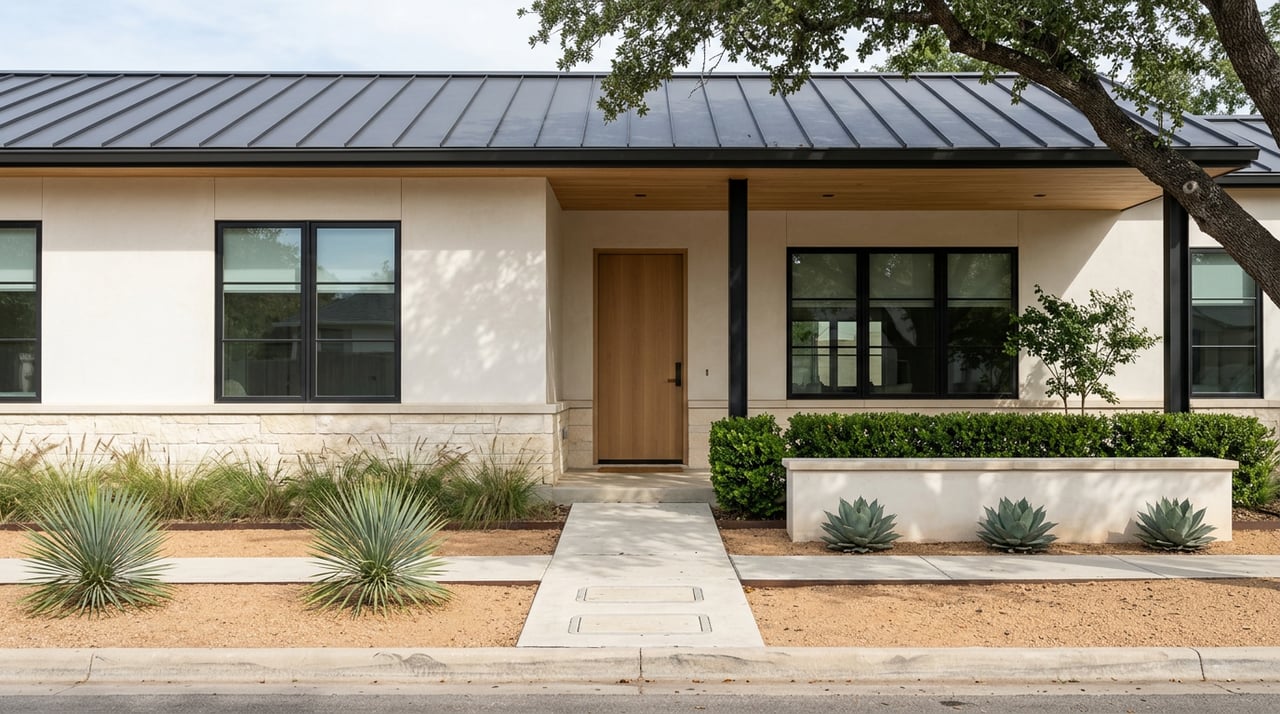
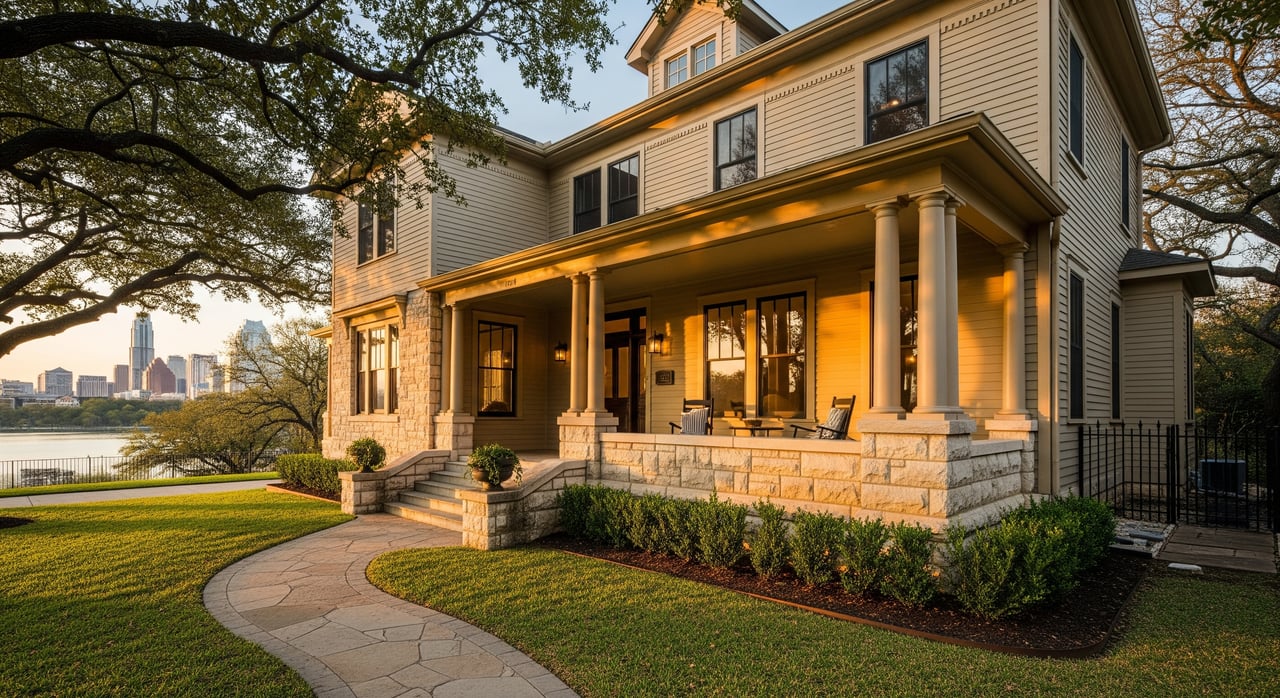
The front of the home does a lot of work in an older neighborhood. Preserving original porch proportions, window spacing, and front-entry orientation can help the house maintain a familiar relationship to the street.
Even when materials are updated, the overall rhythm matters. A renovation usually feels more natural when the front facade still reflects the scale and proportions that made the house appealing in the first place.
If you are expanding, the addition should not overpower the original structure from the street. Secondary volumes often preserve charm better because they let the original house remain visually legible.
That approach also tends to support resale. In a neighborhood where exterior character matters, buyers often respond well to homes that feel thoughtfully expanded rather than fully transformed into something disconnected from their surroundings.
Materials do not have to be identical to the original, but they should feel consistent with the architecture. The neighborhood plan’s concerns about compatibility suggest that a dramatic shift in palette or facade style can change how the home reads within the streetscape.
If your house has traditional cues, it is often wise to echo them in a measured way. A respectful update usually feels more timeless than a renovation built around contrast alone.
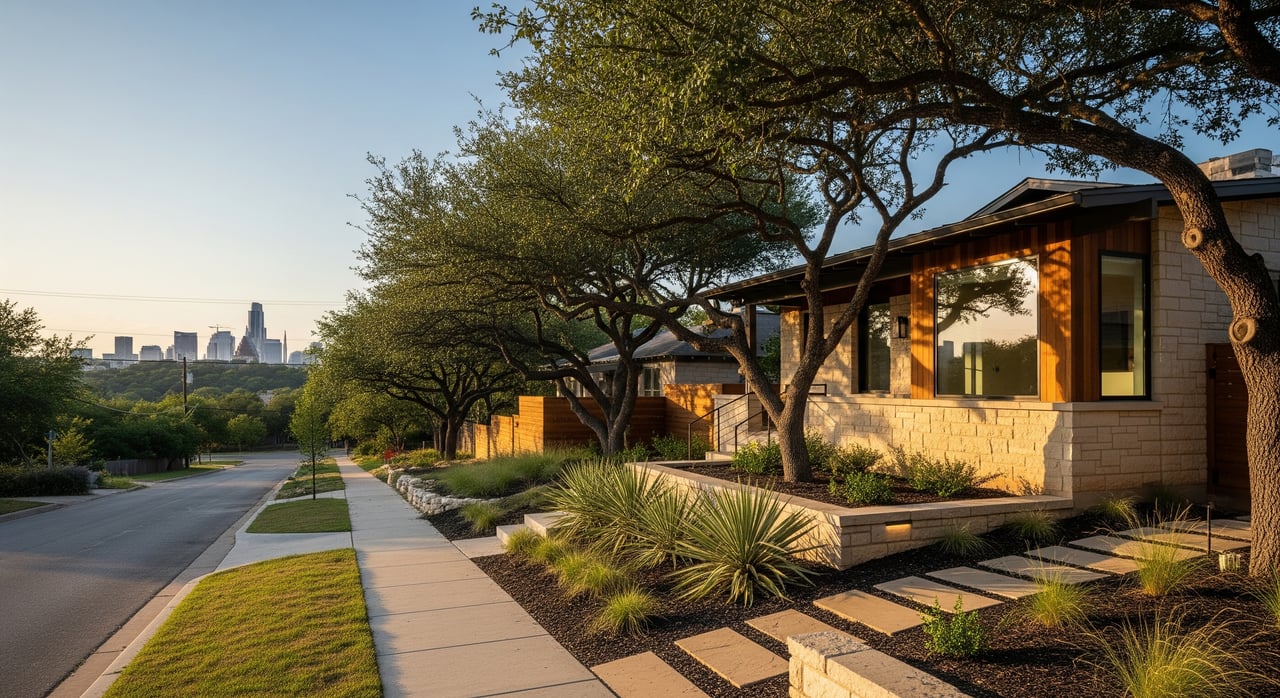
Mature trees are a major part of Tarrytown’s identity. The City’s neighborhood plan directly ties tree loss and rising impervious cover to both character loss and localized flooding concerns.
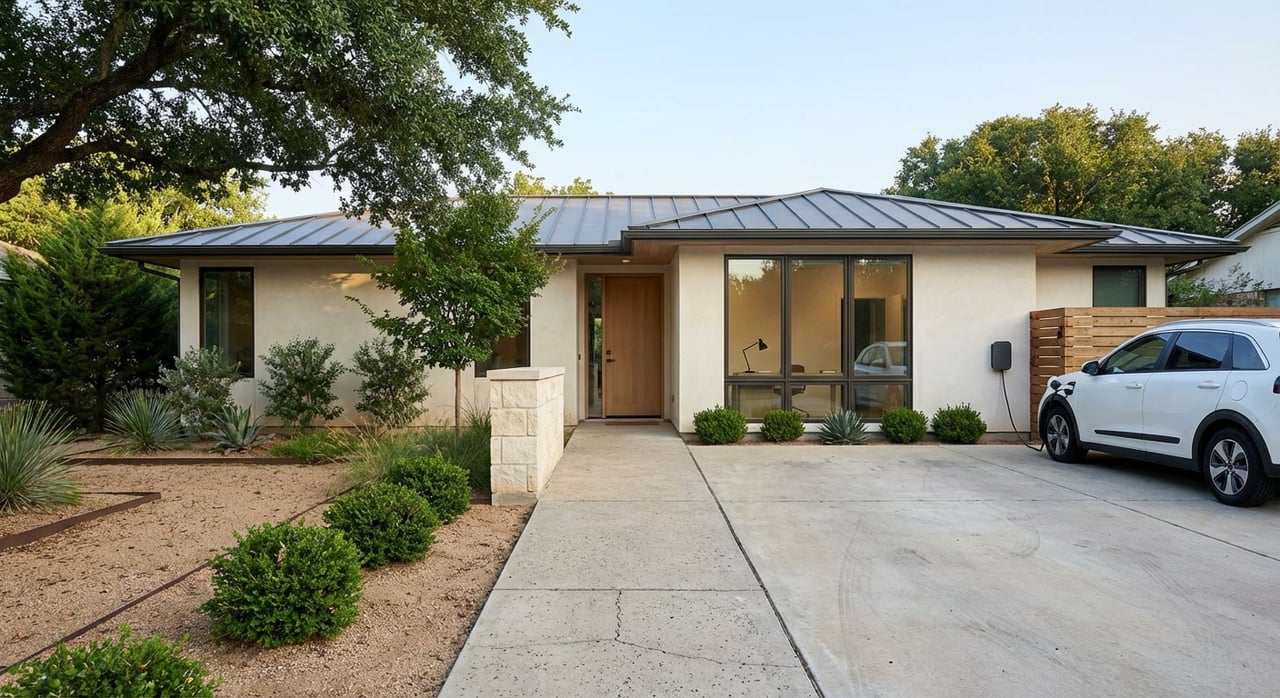
That makes site planning just as important as interior finishes. Expanded driveways, large patios, and overbuilt yards can affect runoff, tree health, and the overall feel of the lot.
Before you finalize plans, confirm whether your property has any historic designation or district status. The City recommends using its Historic Property Viewer and Historic Preservation resources to determine whether a home is a historic landmark, located in a locally designated historic district, or within a National Register district.
This step matters because exterior work may trigger historic review depending on the property’s status. According to the City, review may be required for exterior alterations, additions, permanent site work, signs, and certain stand-alone new construction on designated properties.
Austin’s Historic Preservation Office lists a wide range of non-routine exterior work that may require review on designated landmarks. Examples include window and door changes, roof alterations, masonry repointing, fencing, driveways, awnings, major landscape work, and new exterior color schemes.
By contrast, an interior-only kitchen or bath renovation is often simpler from a preservation-review standpoint because the City’s review framework focuses on exterior and site work. Still, you should confirm the exact designation and scope before assuming your project has an easy permit path.
The City states in its Historic Preservation FAQs that Historic Design Standards were adopted into code in November 2022. Those standards guide projects on landmarks and districts designated after that date, while older districts continue to use their district-specific standards.
In other words, two homes in the same general area may not follow the exact same review framework. Checking early can save you time, redesign costs, and frustration later.
Renovation decisions also have financial implications. If a property is a contributing property in a historic district, the City says owners may be eligible for a City tax abatement on the added value created by rehabilitation, provided the work complies with the applicable standards.
The City describes this as a 100% abatement of City property taxes assessed on the added value from the rehabilitation. For some owners, that can be a meaningful part of the planning conversation.
You should also keep appraisal and exemption rules in mind if you plan to stay in the home long term. Travis Central Appraisal District homestead exemption guidance notes that a general residence homestead exemption is available to owners who both own and occupy the property as of January 1, and that improvements such as a garage or pool can affect an over-65 tax ceiling.
Drainage may not be the most exciting part of a renovation, but in Tarrytown it is important. The neighborhood plan links increased impervious cover with localized flooding, and Austin Watershed Protection notes that the Warren Street flood-risk-reduction project includes part of Tarrytown along Exposition Boulevard, Warren Street, Carlton Road, Mountain Laurel Lane, and Hillview Road.
If your renovation includes additions, site grading, new driveways, or substantial hardscaping, runoff should be part of the conversation from day one. Good planning can help you protect the lot, preserve trees, and avoid creating issues that affect daily use or future resale.
Preservation and resale are closely linked in a neighborhood like Tarrytown. Austin Planning’s materials on why the City preserves historic buildings and sites argue that older buildings help preserve a sense of place, conserve natural resources, and support homeownership.
The City also points to research showing that historic districts can outperform the broader market in value growth, even if they may retain a lower price per square foot in some cases. While those are citywide preservation arguments rather than Tarrytown-specific price claims, they help explain why a careful renovation strategy can strengthen long-term appeal.
For many buyers in Tarrytown, the sweet spot is clear: updated systems and interiors paired with a house that still feels right for the street. Street-facing proportions, tree retention, parking layout, and the feel of an addition can all shape how a buyer responds to the property.
If you want a renovation that feels current without losing what makes the home special, keep the formula simple.
That approach aligns with the City’s preservation framework and with the neighborhood plan’s concerns about compatibility, tree canopy, and impervious cover. It also tends to create the kind of result that feels good to live in now and easier to market later.
If you are weighing renovation decisions in Tarrytown, the right guidance can help you think beyond finishes and focus on what will matter most over time. The Ruth & Evonne Team brings local market insight, thoughtful strategy, and a high-touch approach to help you evaluate your home, your goals, and your next move.
Stay up to date on the latest real estate trends.
April 23, 2026
April 16, 2026
April 2, 2026
March 24, 2026
March 5, 2026
February 19, 2026
February 5, 2026
January 15, 2026
January 1, 2026