Is Highland Park Right For Your Next Move?
February 5, 2026
February 5, 2026
Are you picturing a hilltop home with mature trees, big-sky sunsets, and a quick trip to downtown? If so, Highland Park and Balcones might be on your shortlist. You want more than pretty views though. You need clear answers about homes, terrain, commutes, schools, and what it really takes to buy here with confidence. This guide breaks down the essentials so you can decide if these Central Austin neighborhoods fit your next move. Let’s dive in.
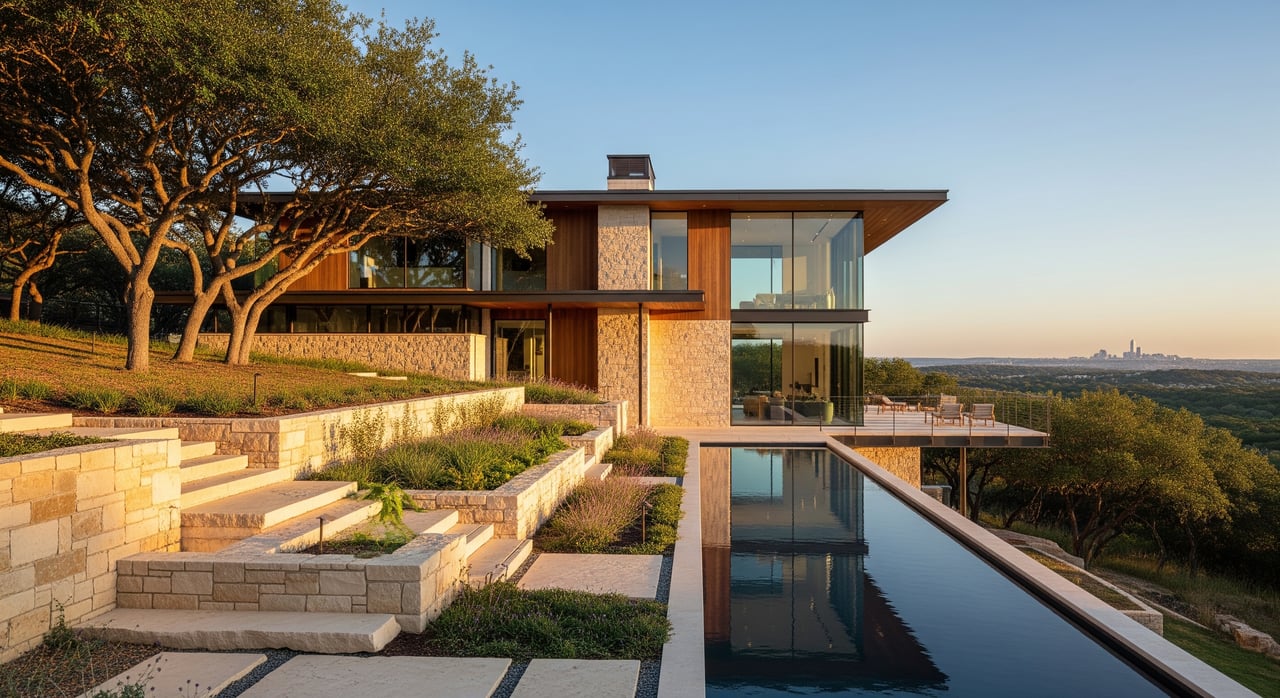
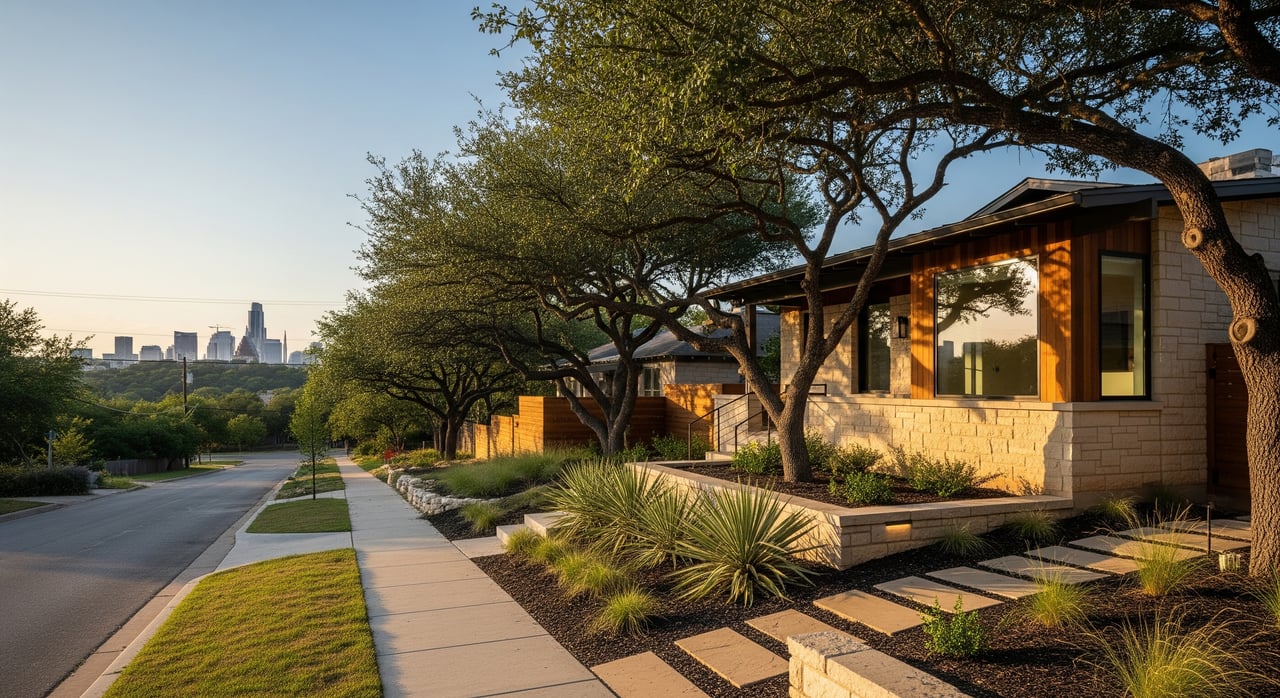
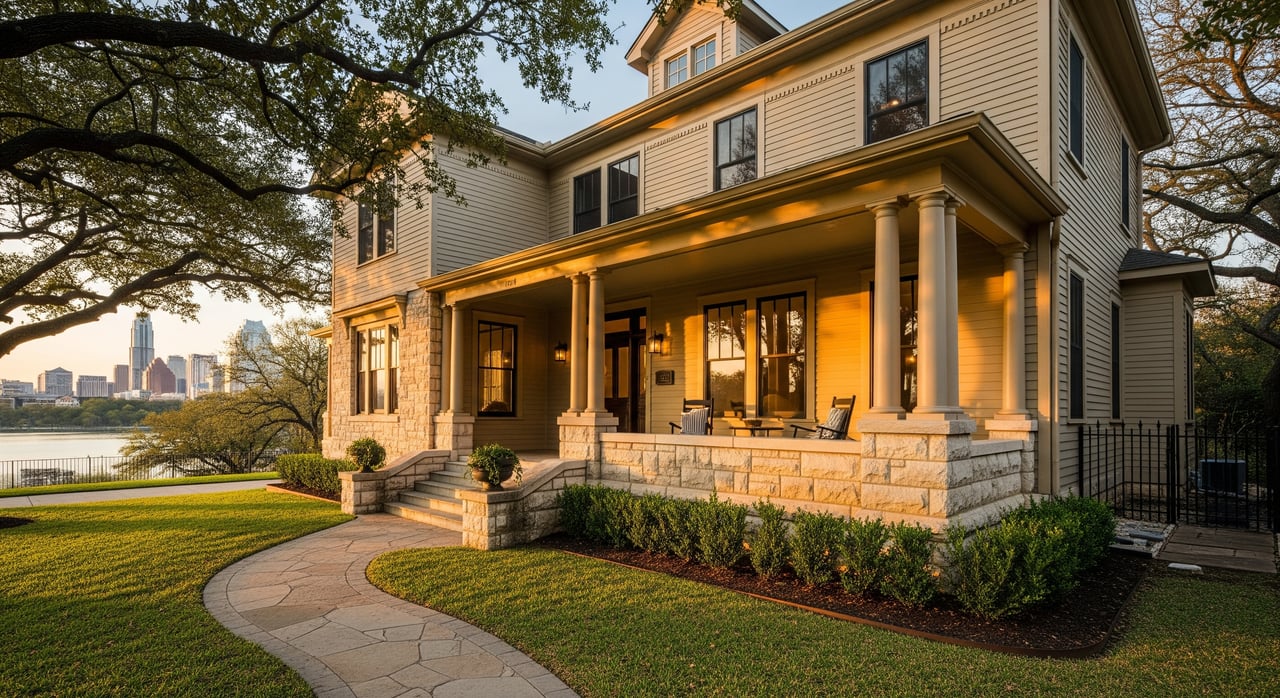
Highland Park and Balcones sit on the elevated ridgelines of central and northwest Austin. You get tree-lined streets, Hill Country vistas, and a residential feel that still puts you within an easy drive of major job centers. Proximity to local landmarks like Mount Bonnell and Bright Leaf Preserve highlights the scenic character many buyers seek here.
You will find quieter streets, larger lots than denser urban cores, and a pace that feels tucked away without being remote. Because of the elevation, some blocks enjoy sweeping views while others offer a canopy of oaks and cedar. The setting reads as classic Austin hilltop living with quick access to shopping, dining, and cultural spots a short drive away.
Housing is primarily single-family, with a mix of older mid-century homes, traditional ranches, remodeled properties from the 1990s and 2000s, and newer custom rebuilds. Many buyers consider older homes with character, then weigh a full renovation or a new build. Contemporary homes that capture views are common where topography allows.
Many lots are larger than typical infill parcels, and sloped topography is part of the experience. Terraced yards and retaining walls are common, and they help create usable outdoor areas. Flat play or garden spaces vary by property, so it is wise to walk the lot, assess grading, and consider how you will use the yard through the seasons.
Older homes may have narrower driveways and fewer garage spaces. Newer builds tend to add larger garages and improved off-street parking. Steeper driveways and steps can affect accessibility for visitors and multigenerational living, so factor those details into your short list and inspection strategy.
Highland Park and Balcones have historically commanded a price premium over average Austin neighborhoods. Location, views, and larger lots drive demand, and well-maintained or renovated homes perform especially well. Teardown or heavy-renovation lots also attract interest because of the potential to build a modern, view-oriented design.
Inventory can feel tight, with owners holding homes longer and new construction working through available parcels. When the right property appears, you should expect competition. For current pricing, ask your agent to pull recent comps and the latest median price data from Austin Board of REALTORS. Because numbers change quickly, rely on up-to-date reports that reflect the last 6 to 12 months.
School assignments are set by address and can change with boundary adjustments. Always verify the assigned elementary, middle, and high schools using the Austin ISD boundary lookup by property address. For performance context, review Texas Education Agency accountability reports and other public data sources. Central Austin also offers a range of private-school options within reasonable drives, though proximity and admissions vary by campus.
Mount Bonnell is a signature spot for panoramic views, short hikes, and picnics. Bright Leaf Preserve provides a natural habitat experience and guided access to trails at select times. These areas are part of the neighborhoods’ appeal and can also draw weekend visitors. Expect a little more activity on nearby arterials during peak recreation hours.
Typical off-peak drive times to downtown often fall in the 10 to 25 minute range, but traffic patterns vary. Your exact route may use Mopac (Loop 1), Loop 360, or RM 2222, depending on the property’s location and your destination. Visit at different times and test your commute during rush hour to set realistic expectations.
Direct public transit options are limited in hilltop areas. If you plan to use Capital Metro services, check the route map and schedules that serve your address. Many residents rely on driving, while biking depends on comfort with hills and the availability of bike-friendly routes.
Property taxes are based on Travis County appraisal and local tax rates. Review current assessments through Travis Central Appraisal District for any home you are considering. Insurance costs can vary with slope, retaining walls, and other site conditions, so request quotes early in your search.
Building on a slope typically requires additional engineering, drainage design, retaining structures, and specialized foundations. Permitting and construction on these sites can be more complex than flat infill lots. If you plan to renovate or rebuild, consult with a structural engineer, geotechnical expert, and the City of Austin Development Services early.
These hilltop neighborhoods are generally not in floodplains, but you should still verify flood status through FEMA maps and City of Austin floodplain data for each parcel. Even outside mapped flood areas, evaluate drainage paths, downslopes, and neighboring construction that could affect runoff.
Use this list to evaluate specific homes and lots with confidence:
If you want elevated views, mature trees, and a central location, Highland Park and Balcones deliver a unique Austin experience. The trade-offs are real though. Sloped lots require thoughtful planning, and competition can be strong for standout homes. With the right preparation and a clear plan for renovation or new construction when needed, you can secure a property that fits your lifestyle for years to come.
When you are ready to explore on the ground, reach out to the Ruth & Evonne Team for a tailored tour, current comps, and a step-by-step plan. You will get strategic valuation, practical construction insight, and a calm, client-first approach that helps you move forward with clarity.
Stay up to date on the latest real estate trends.
April 23, 2026
April 16, 2026
April 2, 2026
March 24, 2026
March 5, 2026
February 19, 2026
February 5, 2026
January 15, 2026
January 1, 2026