Is your Tarrytown home rich with original charm, but tough to peg on price? You are not alone. Historic and character properties near downtown and the lake attract different buyers for different reasons, which can make pricing feel tricky. In this guide, you will learn what truly drives value, how to pick the right comps, and how to prepare your home so you can list with confidence. Let’s dive in.
Why Tarrytown pricing is unique
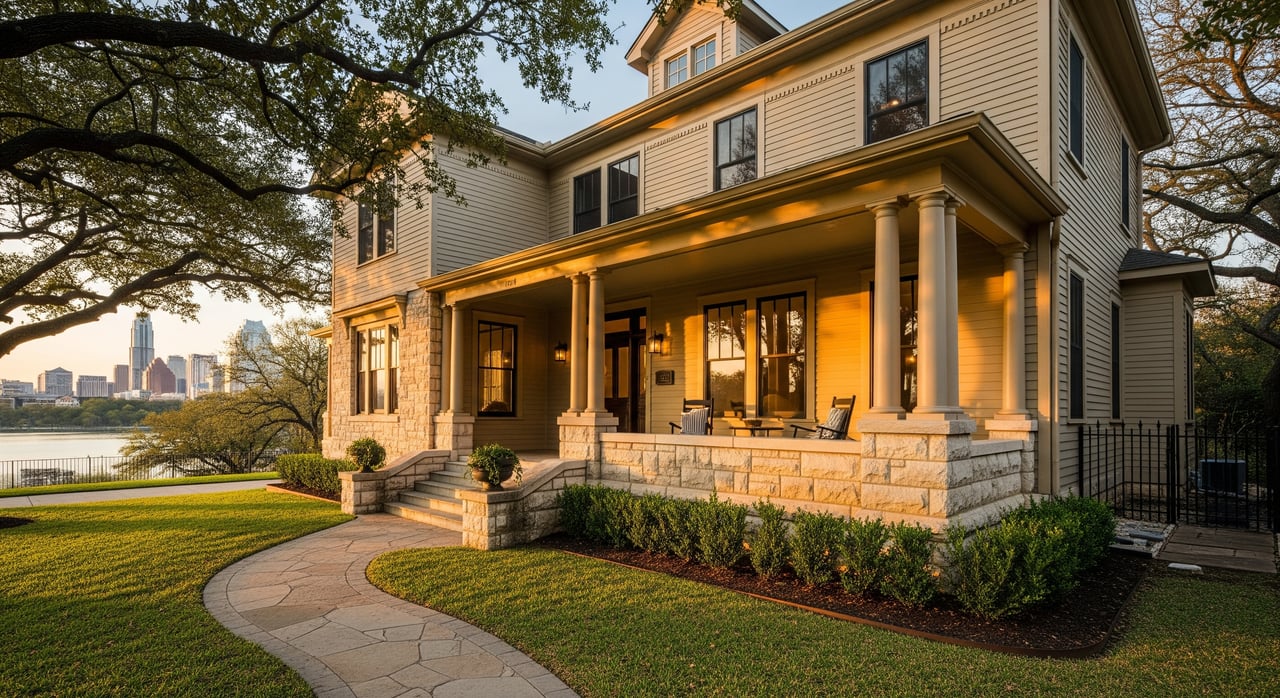
Tarrytown appeals for two big reasons: location and character. Many buyers pay a premium for lot size, street presence, and proximity to Lady Bird Lake. Others will pay extra for original millwork, windows, floors, and period details that are hard to find elsewhere in central Austin.
Buyer priorities vary by life stage. Move-up buyers often focus on lot utility, expansion potential, and updated systems. Downsizers want manageable layouts, easy daily living, and preserved charm. Your pricing strategy should meet the overlap between these groups while highlighting what your home does best.
Key value drivers
Architectural character
Original-period details often create a quiet premium. Intact millwork, built-ins, original floors, historically appropriate windows, and period fireplaces draw buyers who want authenticity. If these features are well-preserved, you can position pricing toward the upper end of the neighborhood range. If they have been removed or poorly replicated, expect to adjust downward.
Updates and systems
Modern, permitted systems lower buyer risk. Recent HVAC, electrical, plumbing, roof, and foundation work, along with a refreshed kitchen and baths, help your home compete with updated comps. Unpermitted changes or deferred maintenance often require a discount or lead to longer days on market.
Lot, location, and views
Lot size, buildable area, tree canopy, privacy, street character, and any peek at the lake matter independently of the home’s age. Some buyers may value the property as a long-term hold for potential expansion, while others will prize a ready-to-enjoy home that showcases its setting.
Historic designation
Local historic status can shape both value and buyer pool. Designation can protect neighborhood character and appeal to preservation-minded buyers. It can also limit exterior changes that major renovators might want. Always verify requirements with the City of Austin Historic Preservation Office before promising alterations or additions.
Comparable sales behavior
Historic homes do not trade like a standard model. A well-preserved home on a great lot can outperform the median. One with lost character or extensive deferred work may underperform. Good comp selection isolates age, style, lot, location, level of updates, and permitted versus unpermitted work.
A practical pricing process
Use this step-by-step checklist to build a clear pricing picture:
- Verify property facts: year built, legal description, lot size, finished square footage, bed/bath count, parking, assessed value, and any exemptions. Pull parcel details from the Travis Central Appraisal District.
- Confirm historic status: landmark, local district, National Register, or none. Check the City of Austin Historic Preservation Office for records and requirements.
- Inventory character features: original floors, windows, built-ins, fireplaces, trim, and roofline details. Photograph and list them clearly.
- Document updates and permits: mechanicals, roof, foundation, windows, kitchen and bath remodels. Note which permits were pulled and finaled.
- Build a comp set: prioritize same-era homes on the same or very close blocks with similar lots. Include secondary comps that show different update levels or views.
- Analyze a price band: create low, likely, and high scenarios that reflect conditions, location, and uniqueness.
- Check the market tempo: review recent solds, days on market, and sale-to-list ratios using local MLS data and Austin Board of REALTORS market reports.
- Review risks: confirm floodplain status with the FEMA Flood Map Service Center and review any deed restrictions with the Travis County Clerk or title.
Selecting the right comps
- Stay close. Micro-location matters in Tarrytown. Favor comps on the same block or the most comparable nearby street.
- Match the era and style. Craftsman, Tudor Revival, and Spanish or Colonial influences each attract specific buyer expectations.
- Separate house from lot value. If a comp’s value is mostly lot-driven, note it and adjust accordingly.
- Prioritize permitted updates. Homes with documented system upgrades usually sell closer to updated comps.
- Explain the character premium. Some value lives outside square footage. Document original features and their condition to support pricing.
Price band strategy
A price band creates options and helps you respond to market signals:
- Low scenario: assumes buyers discount for updates needed or limited flexibility for expansion.
- Likely scenario: reflects current comps with similar condition, systems, and lot.
- High scenario: applies when your home pairs strong character with modern systems and a standout lot or location.
Compare each scenario to recent days on market and sale-to-list ratios. If comps with similar character and updates are selling quickly, you can justify list-band positioning at the likely-to-high end. If buyers are price sensitive or inventory is rising, consider tighter pricing near the likely scenario.
Prepare for a pricing consult
Use this comps-readiness checklist to make your consult efficient and accurate.
Documentation and property data
- Current deed and legal description.
- TCAD parcel report and latest assessed value.
- Recent utility bills for context on efficiency.
- Copies of permits and final inspections for all renovations.
- Survey or plat showing lot lines, easements, and setbacks.
- Title report or preliminary title with any deed restrictions.
- Historic designation documents from the City of Austin HPO.
- Floodplain or flood insurance documentation if applicable.
Condition and marketing materials
- High-resolution photos that highlight period features and upgrades.
- Current floor plan, preferably professionally drawn.
- Room-by-room condition notes for roof, HVAC, water heater, windows, foundation, plumbing, and electrical.
- Receipts and contractor warranties for recent work.
- Termite, pest, and any structural or engineering reports.
Market and comparables
- A list of 6 to 12 nearby solds from the last 6 to 12 months with notes on condition and updates.
- Active and pending neighborhood listings for context.
- Any recent appraisals.
Show-readiness
- Staging and decluttering plan.
- Access details, keys, and lockbox.
- Tenant details and notice requirements, if applicable.
Stage for historic homes
Core principles
- Preserve, do not erase. Clean, repair, and spotlight original trim, built-ins, fireplaces, and windows.
- Neutral that fits the period. Use paint and furnishings that complement the home’s era without feeling theme-like.
- Light refreshers help. Updated lighting, window treatments, and hardware can lift the look without removing character.
- Flow matters. Clarify room function and sightlines. Be transparent about any wall changes and permits.
- Curb appeal counts. Trim landscaping to showcase architecture, tidy drives and porches, and stage outdoor seating where it suits the lot.
Tips for move-up sellers
- Highlight expansion potential with examples of permitted additions in the area when available.
- Emphasize lot size, backyard usability, and any room over the garage or above-grade space that supports future needs.
- Provide clear documentation of systems and structural work to reduce perceived risk.
Tips for downsizers
- Feature a main-floor bedroom with nearby full bath or an easy-to-convert suite.
- Call out low-maintenance features and recent system updates.
- Stage for single-level living options and accessible storage.
Risks and buyer expectations
- Historic rules: Exterior changes on designated properties may require approvals. Confirm requirements with the City of Austin Historic Preservation Office before listing plans that include additions or facade changes.
- Unpermitted work: Items found by buyers or appraisers can affect financing and closing. Disclose and, when possible, resolve major issues ahead of market.
- Floodplain: Near lakefront areas, verify status through the FEMA Flood Map Service Center. Insurance costs can influence the buyer pool.
- Deed restrictions and short-term rental rules: Review with title and check deed records via the Travis County Clerk. These can affect buyer interest and use plans.
- State resources: For broader preservation context, consult the Texas Historical Commission.
What you get in a private consult
Schedule a private pricing consult to receive a tailored comparative market analysis, a condition assessment focusing on historic features and permitted updates, and a prioritized staging checklist for your home. You will also get:
- A focused CMA with 6 to 12 targeted comps and a clear low, likely, and high price band.
- A walk-through that flags quick-win repairs and staging moves to maximize appeal.
- Guidance on historic designation implications and permits to verify before listing.
- A marketing plan that spotlights the right original features for photography and copy.
- A suggested list strategy and timeline to market.
Ready to talk specifics for your Tarrytown home? Reach out to the Ruth & Evonne Team for a thoughtful, data-informed plan.
FAQs
How to confirm if a Tarrytown home is historic in Austin
Which upgrades raise value most in historic Tarrytown homes
- Permitted mechanical updates, roof and foundation work, and well-executed kitchen and bath renovations reduce buyer risk and usually support stronger pricing.
How to handle unpermitted work before listing in Austin
- Disclose known items and consult professionals about correcting major issues. Unpermitted work can affect financing and timing, so resolve high-impact items before you go live.
Does floodplain status affect pricing near Lady Bird Lake
How far back to go for comps in a thin historic market
- Start with 6 to 12 months on the same or nearby blocks. If few sales exist, extend the timeframe while matching era, style, lot size, and level of updates as closely as possible.