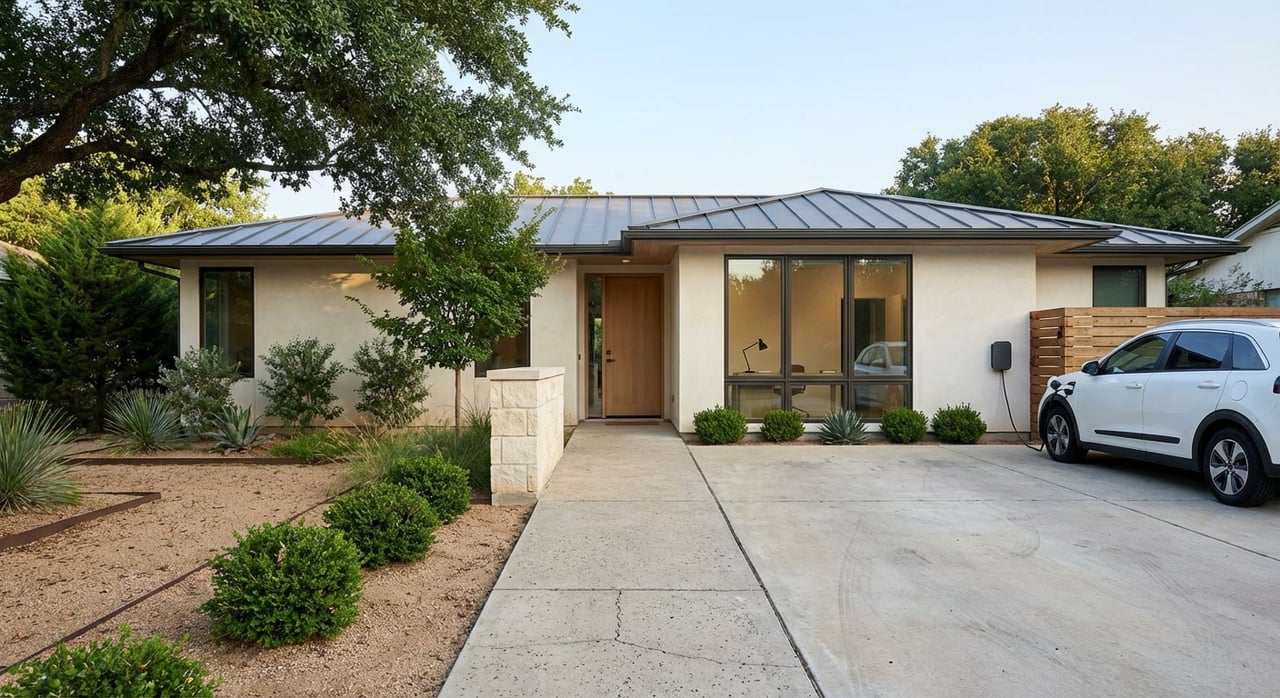
Trying to choose between a condo or a townhome in East Austin’s 78723? You are not alone. Many first-time buyers and relocators weigh the same decision, especially with a mix of new builds and cool conversions nearby. In this guide, you will learn how each option works, what HOAs typically cover, what to watch for in inspections and financing, and how these choices play out at resale in East Austin. Let’s dive in.
Quick definitions: what you own
Condo ownership, in plain English
A condominium usually means you own the interior of your unit and a shared interest in the common elements like the building structure, land, and amenities. The community is governed by recorded CC&Rs, a condominium declaration, and bylaws. Your legal description identifies a unit within a condo regime. Rules for parking, use of common areas, and things like short-term rentals live in those documents.
Townhome ownership and fee-simple land
A townhome in 78723 is often sold as fee-simple. You own the structure and the land beneath it. You may still be part of an HOA, especially in master-planned communities, but the ownership model is different from a condo. Your deed looks like a typical lot or tract description recorded with the county.
How ownership affects your day-to-day
- Maintenance and control. In many condo communities, the HOA takes care of the building exterior and common systems. In fee-simple townhomes, you often handle the roof, exterior walls, and any yard, unless the HOA states otherwise. Always confirm who maintains what in the governing documents.
- Liability and decision-making. Condo owners share responsibility for common elements through the HOA. Townhome owners may have more control over their exteriors but also may carry more maintenance costs.
- Use rules and rights. Easements, assigned parking, and common-area rules live in recorded documents. These can affect everyday use and your plans for renting, satellite dishes, or adding exterior features.
HOAs, assessments, and what to review
Request these documents before you commit
Ask for a complete resale or disclosure packet. This should include the budget, financials, reserve study, CC&Rs, bylaws, rules, recent meeting minutes, insurance policy details for the master policy, any litigation notices, and a schedule of assessments and fees. Review the delinquency and collection policy, and check whether reserves match upcoming capital needs.
What monthly dues typically cover
- Condos. Dues often cover the building envelope, roof, structure, shared systems, landscaping, trash, exterior insurance, and amenities. Your unit policy usually covers interior finishes, contents, and personal liability. Confirm whether the master policy is walls-in or bare-walls.
- Townhomes. Coverage varies widely. Some HOAs handle only common areas. Others, especially in master-planned settings, may include exterior maintenance. Read the CC&Rs to understand the exact scope.
- Amenities. Pools, gyms, and on-site management can raise dues. Budget for today’s dues and probable increases over time.
Red flags to watch for in HOA materials
- Pending litigation involving the HOA or developer
- Low reserves relative to the replacement plan, or no reserve study
- Ambiguity in who pays for major items like roofs or exterior walls
- Frequent special assessments or steep recent dues increases
- Rental restrictions that do not match your plans
Buying new construction with a developer-run HOA
Early on, developers often control the HOA board. Review turnover timelines and developer rights to amend documents. Obtain builder warranty details and the process for making claims. Ask whether escrow or transfer fees apply at closing.
Inspections and 78723-specific risks
Foundations and Austin soils
Expansive clay soils are common in Austin. Foundation movement and slab cracks are not unusual. If you see signs of movement or if the building is older or converted, add a structural engineer evaluation. Drainage and site grading can also affect foundation performance, so include these in your inspection focus.
Roofing, flashing, and shared systems
Attached properties can have roof and flashing that cross unit lines. That can increase leak risk and complicate responsibility. Verify whether the HOA or the owner is responsible for repairs and replacements. For MEP systems, confirm who owns and maintains mechanical, electrical, and plumbing components.
New builds vs. conversions
- New builds. Many Texas builders offer typical warranty tiers for workmanship, systems, and structure. Construction quality varies in fast-paced infill areas, so confirm permits and final certificates of occupancy.
- Conversions. Warehouse or office-to-condo conversions can include nonstandard systems or omitted upgrades. Verify that permits were pulled, code requirements were met, and final inspections were passed.
Neighborhood and site considerations in 78723
- Flood risk. Check FEMA and City of Austin flood data. Even minor zones can affect insurance and lending.
- Noise and nuisance. East Austin is mixed-use. Consider proximity to nightlife, arterial streets, and construction corridors.
- Parking. Infill projects may limit on-site parking. Confirm deeded or assigned spaces and guest parking rules.
Practical inspection checklist
- General home inspection plus foundation/structural engineer if indicated
- Roof, attic, and flashing evaluation
- HVAC, electrical, and plumbing age and service records
- Evidence of past water intrusion, mold, or active leaks
- City permit history and final inspections for the property and any conversion work
Financing and insurance basics
Condo project eligibility and warrantability
Lenders often evaluate condo projects as a whole. Some smaller or converted projects can be non-warrantable, which can limit FHA, VA, or certain conventional options and may require larger down payments or portfolio lenders. Townhomes sold fee-simple are often treated like single-family attached homes and usually face fewer project-level hurdles.
Loan programs and timelines
- Conventional. Requirements vary. Many lenders review HOA reserves, insurance, and owner-occupancy rates.
- FHA and VA. These programs can approve specific projects or units, but there are extra steps.
- Portfolio or private lenders. These can finance non-warrantable condos, often with higher rates or down payments.
Coordinate with your lender early, especially if you are considering a small association or a conversion.
Insurance differences to understand
- Master policies. Condo master policies may be walls-in or bare-walls. That choice affects what your personal policy must cover. Townhome buyers should confirm whether exterior items fall under the HOA’s policy or the owner’s.
- Flood insurance. Required within FEMA flood zones and often wise in nearby areas. The premium level can affect total monthly cost.
- Claims history. Frequent HOA claims can raise master policy premiums, which can increase dues or trigger special assessments.
Resale dynamics in East Austin
- Buyer demand. East Austin draws buyers who value proximity to downtown, services, and newer infill. Move-in-ready units often attract strong interest.
- New builds vs. conversions. New-build townhomes can command a premium for modern finishes, energy efficiency, and warranty coverage. Converted condos can attract interest for character and location, but buyers sometimes discount them if they perceive higher maintenance risk.
- Appreciation and liquidity. Historically, fee-simple properties that include land ownership have shown steadier appreciation. Condos can perform well too, but they may experience more price volatility and more direct competition from rentals when supply rises.
- Rental market and rules. Condos with amenities can be attractive to renters. Always check CC&Rs for rental limits if you plan to rent your unit.
Which one fits your lifestyle and budget
Choose a condo if you prefer lower day-to-day exterior maintenance and do not mind sharing decisions through the HOA. This can be a good fit if amenities matter, you travel often, or you want a turnkey feel. Just make sure the HOA’s reserves, dues, and rules align with your plans.
Choose a townhome if you want more control over your property and the land beneath it. This can support steadier resale trends and flexibility for improvements. Budget for exterior and roof costs if your HOA does not cover them.
Either way, in 78723 the details in the documents and the building quality matter more than the label. Focus on who maintains what, the project’s financial health, and your loan options.
Example properties you might see in 78723
- New-build fee-simple townhome on an infill lot, with a builder warranty and an HOA that handles shared landscaping or private alley maintenance.
- Low-rise condo conversion from a warehouse or office building. Expect unique layouts and ceiling heights. Verify permits, insurance, and reserves.
- Mid-rise amenity condo with a pool or gym. Dues are higher, but exterior maintenance and master insurance are centralized. Review rental rules and reserves.
- Townhome in a master-planned setting with shared green spaces and higher dues that cover exterior maintenance. Great if you want low exterior upkeep.
Buyer decision checklist
- Confirm the ownership type through the legal description. Is it a condo unit or a fee-simple lot?
- Clarify responsibility for the roof, exterior, decks, driveways, fences, and any private yard. Get it in writing through the CC&Rs and HOA documents.
- Request the HOA resale packet, including budget, reserve study, insurance, meeting minutes, and any litigation disclosures.
- Ask your lender about condo project eligibility or warrantability if you are financing a condo. Get clarity before you make an offer.
- Order inspections: general, plus structural foundation evaluation if indicated, and roof and pest checks. Investigate any water intrusion history.
- Verify permit history and final inspections with the City. Confirm any conversion met code and passed final inspections.
- Review builder warranties for new builds and understand the claim process.
- Check FEMA and City flood maps. Get insurance quotes early so you understand total monthly cost.
- Compare nearby sales for both condos and townhomes to set price expectations and understand resale dynamics.
- Confirm your parking and storage rights and any fees for extra spaces.
- Read rental and short-term rental rules to ensure they match your plans.
- Ask the HOA manager about current dues, last special assessments, average annual increases, delinquency rates, and reserve balance relative to recommended levels.
When you want help weighing the tradeoffs in a specific 78723 property, reach out for a personalized, local perspective. The Ruth & Evonne Team pairs deep Austin expertise with hands-on guidance to help you buy with confidence.
FAQs
What is the main difference between condos and townhomes in 78723?
- Condos typically give you ownership of the interior plus a shared interest in common elements, while townhomes are often fee-simple where you own the home and the land beneath it.
How do HOA dues usually differ for condos vs townhomes?
- Condo dues often cover exterior maintenance, structure, and amenities. Townhome dues vary, sometimes covering only common areas unless a master HOA includes exterior items.
What inspection issues are common in East Austin attached homes?
- Foundation movement on expansive clay soils, roof and flashing across unit lines, drainage, and MEP system ownership and maintenance responsibilities.
What does “warrantable” mean for a condo in financing?
- Lenders evaluate the condo project as a whole. Warrantable projects meet certain standards, while non-warrantable ones may need larger down payments or portfolio loans.
Do new-build properties in 78723 come with warranties?
- Many Texas builders provide typical tiers of warranties for workmanship, systems, and structure. Always get the documents and claim process in writing.
How do rental restrictions affect my purchase decision?
- CC&Rs may limit rentals or short-term rentals. If you plan to rent your unit now or later, confirm those rules before you buy.
What should I check in the HOA’s financials before I buy?
- Reserve balance compared to the replacement plan, delinquency rates, history of special assessments, insurance coverage, and any pending litigation.