Is Driftwood Golf & Ranch Club the Right Move From Austin?
November 6, 2025
November 6, 2025
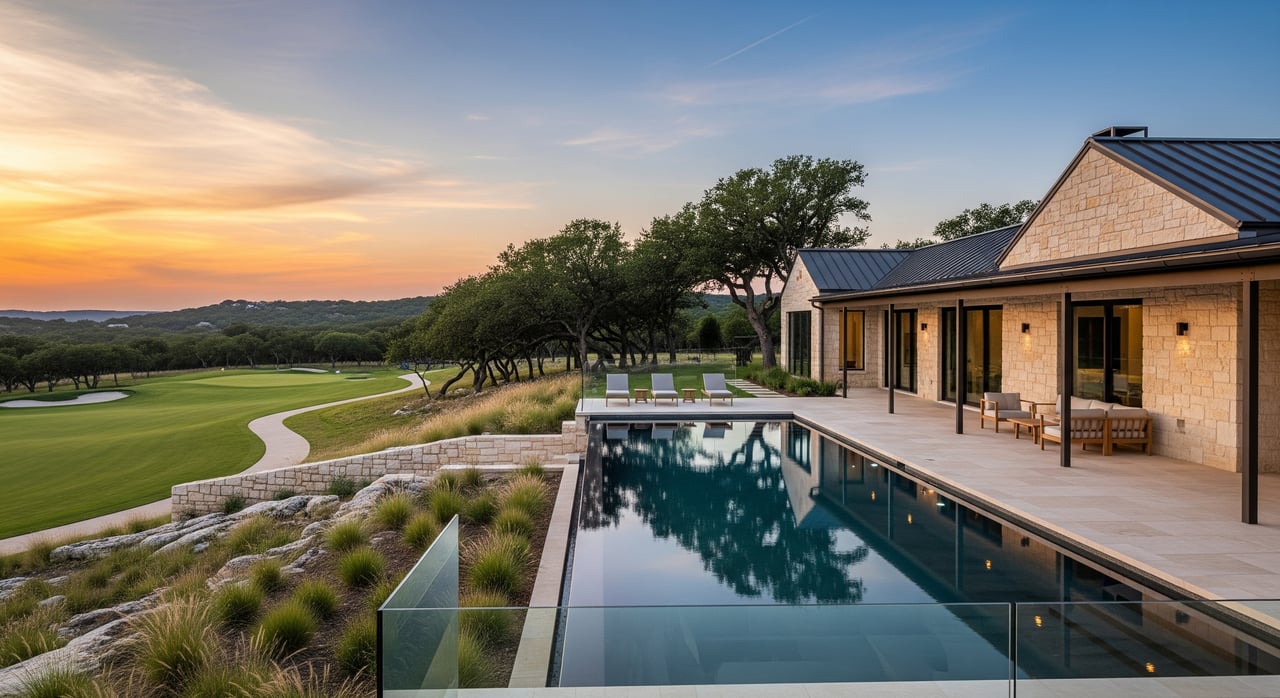
Thinking about trading Austin’s buzz for Hill Country calm, but still need regular access to the city? If Driftwood Golf & Ranch Club is on your short list, you’re not alone. Many buyers love the privacy, scenery, and amenities yet want clarity on the commute and day-to-day logistics. In this guide, you’ll get realistic travel-time expectations, airport access tips, a look at village-center convenience, and practical cost and school considerations to help you decide with confidence. Let’s dive in.
If you value space, views, and a slower pace, Driftwood can be a strong match. You typically get larger lots, a quieter setting, and community amenities that encourage staying local for daily routines. For many buyers, the peace and privacy are the primary draw.
If you commute to Austin often, the decision comes down to time and tolerance for driving. Hybrid schedules work well here, especially when you can cluster office days or run multiple city errands at once. If your job or social life requires frequent trips to north Austin, expect longer drives than to downtown.
If you prefer walking to full-service shops and cultural venues, or you need daily public transit, Driftwood likely requires tradeoffs. Most residents use personal vehicles for work, errands, and appointments.
For planning, expect the following ranges between Driftwood and central Austin:
These are ranges only. Exact timing depends on your specific address, destination, and real-time traffic. Two-lane and state highways make up much of the route.
Morning inbound traffic to Austin (roughly 7 to 9 AM) and evening outbound (roughly 4:30 to 7 PM) are the slowest windows. Weekends can also get busy, given wineries, restaurants, wedding venues, and seasonal events in the Hill Country. Because many connecting roads are two lanes, incidents and construction can create quick backups.
Public transit options are limited. There is no commuter rail to Driftwood, and regional bus service is not a practical daily substitute for most residents. The typical commuting model is driving yourself or carpooling. Park-and-ride services in other suburbs may not directly serve Driftwood, so confirm before planning around them.
Austin-Bergstrom International Airport (AUS) is your primary airport for domestic and international flights. Drive times to AUS are comparable to, or slightly longer than, trips to downtown because the airport sits southeast of the city center. As with any Austin trip, timing is sensitive to congestion and incident delays.
If you fly often, build in extra buffer during peak road hours and event weekends. Factor in parking and terminal access time, since ride-hailing from exurban areas can be pricier and less predictable than driving yourself.
Helpful habits for frequent flyers include aligning flight days with in-office days and keeping a running checklist for parking, TSA timing, and backup routes.
In many golf and ranch club communities, a village center often includes a mix of restaurants, coffee, a convenience market, fitness or yoga studios, limited retail, and professional services. Some communities also offer co-working or small office space. The goal is to cover the basics, provide a social hub, and reduce short trips into Austin for daily comforts.
This type of center typically does not replace full-service medical care, major grocery shopping, or specialty retail you find in the city. It complements, rather than replaces, what you access in Austin.
Developers may build these amenities in phases. Before you decide, confirm what is open today versus planned. Ask for a map and an amenity timeline, and understand expected delivery dates.
Driftwood addresses are commonly served by nearby districts such as Dripping Springs ISD. Always verify the exact district and campus assignment by address. If you plan to use private schools in Austin, account for extra drive time and consider carpool logistics.
For families, daily routines matter as much as commute times. Look at student transportation options, after-school activity locations, and how your work hours align with pick-up and drop-off windows.
Expect typical Hill Country tradeoffs. Larger lots and robust amenities can mean higher per-property maintenance and community fees. In Texas, property taxes are a significant part of carrying costs. In Hays County, your total tax rate can vary by property based on the county rate and any special utility or improvement districts. Verify the actual tax rates and recent bills for any home you are considering.
If the golf or club is private or semi-private, confirm initiation fees and recurring dues in writing. Add these to your annual budget so you can compare apples to apples with in-town options.
Hays County and the greater Austin exurban areas have grown alongside Austin’s expansion. Historically, many of these communities offered more affordability than central Austin, though prices have risen as demand increased. For the most current pricing and inventory trends, review reputable market reports before making offers.
Pros:
Cons:
If you prize privacy, open space, and a community-driven lifestyle, Driftwood Golf & Ranch Club can be a rewarding shift from city living. If frequent, time-sensitive trips to Austin are non-negotiable, weigh realistic drive times and plan for hybrid routines. The best decision comes from seeing the commute firsthand, verifying costs, and understanding which amenities are ready for you on day one.
Powers Property Group offers boutique, client-first guidance rooted in decades of Austin experience. We help you validate commute realities, compare total cost of ownership, review amenity timelines, and align your move with your lifestyle and work needs. Request a Personalized Consultation with Powers Property Group to map out your next step.
Stay up to date on the latest real estate trends.
December 4, 2025
November 21, 2025
November 6, 2025

October 16, 2025

Evonne Gottsch | August 22, 2023
Locals Favorites!