Designing for Vineyard, Creek, and Fairway Views
October 16, 2025

October 16, 2025
Imagine waking up to vineyard rows glowing at sunrise, a shaded creek just beyond your terrace, or a fairway stretching across the Hill Country. If you are looking at a lot or home in Driftwood Golf & Ranch Club, the view is part of the lifestyle you are buying. The right design choices can protect those sightlines while fitting local rules and the land itself. Here is how to plan confidently and make the most of every angle. Let’s dive in.
Driftwood Golf & Ranch Club is an 800-acre, members-only community with a Tom Fazio 18-hole course, more than 70 acres of vineyards, and family-focused amenities set in the Texas Hill Country. The community is organized into two areas often referred to as The Ranch for golf-focused living and The Creek for creekside trails, vineyards, and the Creek Club. You will find villas, bungalows, and custom estate lots that highlight vineyard, creek, or fairway outlooks. Learn more about the setting on the community’s official site.
Creekside beauty comes with extra homework. Hays County has studied Onion Creek and related drainages, and some lots may be in or near mapped flood areas. Before you write an offer, check the Onion Creek watershed hydraulic study and request the lot’s FEMA map, building envelope, and any finished-floor elevation requirements.
Water is a key part of Driftwood’s design ethos and local regulation. The community promotes rooftop rainwater harvesting and reuse, including rainwater routed to aquifer recharge. You should also understand the area’s sensitivity to the Edwards Aquifer and any permit or pollution-abatement needs. Start with background from the Edwards Aquifer Authority, and ask the seller or HOA for the community’s design guidance.
Driftwood highlights water stewardship that will shape your roof and landscape plan. Public materials note rooftop rainwater harvesting is a community standard, with treated effluent used for irrigation at the community level. Review the club’s sustainability points on the lifestyle page and confirm cistern capacity, gutter requirements, and connection rules during escrow.
The City of Dripping Springs and partners are constructing a treated-effluent storage pond to support reclaimed-water use. That system can affect irrigation allowances and timing of service. For context, see local reporting on the effluent storage pond, then verify the current setup for your specific lot with the seller and HOA.
Vineyard rows create a striking horizontal pattern. To make the most of it, place your main living areas and patios so they run perpendicular to the row lines. This turns the rows into a calm, textured foreground rather than visual clutter.
Use wide, operable glass walls and deep porches that frame the vines while managing Texas sun. Size overhangs and shading so you keep daylight without summer glare. For comfort and energy control, review practical shading guidance on operable glazing and overhangs from Building America’s resource guide.
A creek view stays beautiful when the banks stay stable. Replace lawn-at-the-waterline with a layered riparian buffer. A simple three-zone approach works well: large native trees near the bank, native shrubs in the transition zone, and native grasses at the outer edge to slow runoff.
This approach supports water quality and slope stability while preserving a natural, layered view. For design principles and typical buffer widths, see conservation guidance summarized by the National Academies. Confirm final setbacks and bank treatments with your engineer and Hays County.
Fairway living blends openness with smart placement. Keep outdoor living areas and bedrooms outside typical ball-flight paths and check club rules on setbacks. Use low native screens or staggered small trees to create privacy without blocking long views.
Plan for maintenance corridors and durable plantings along the boundary. Driftwood communities often coordinate comfort stations, trails, and maintenance access. Ask the club about approved landscaping near course edges and acceptable screening, and review the club’s outdoor activities context on Outdoor Pursuits.
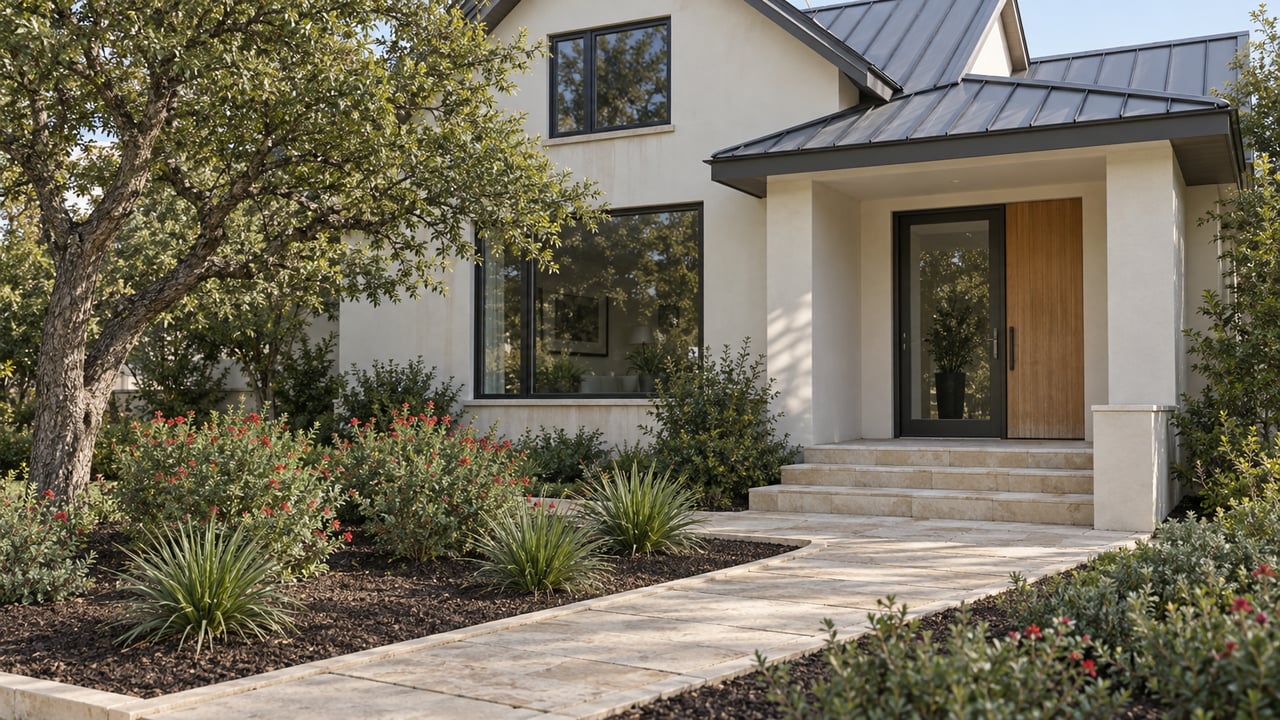
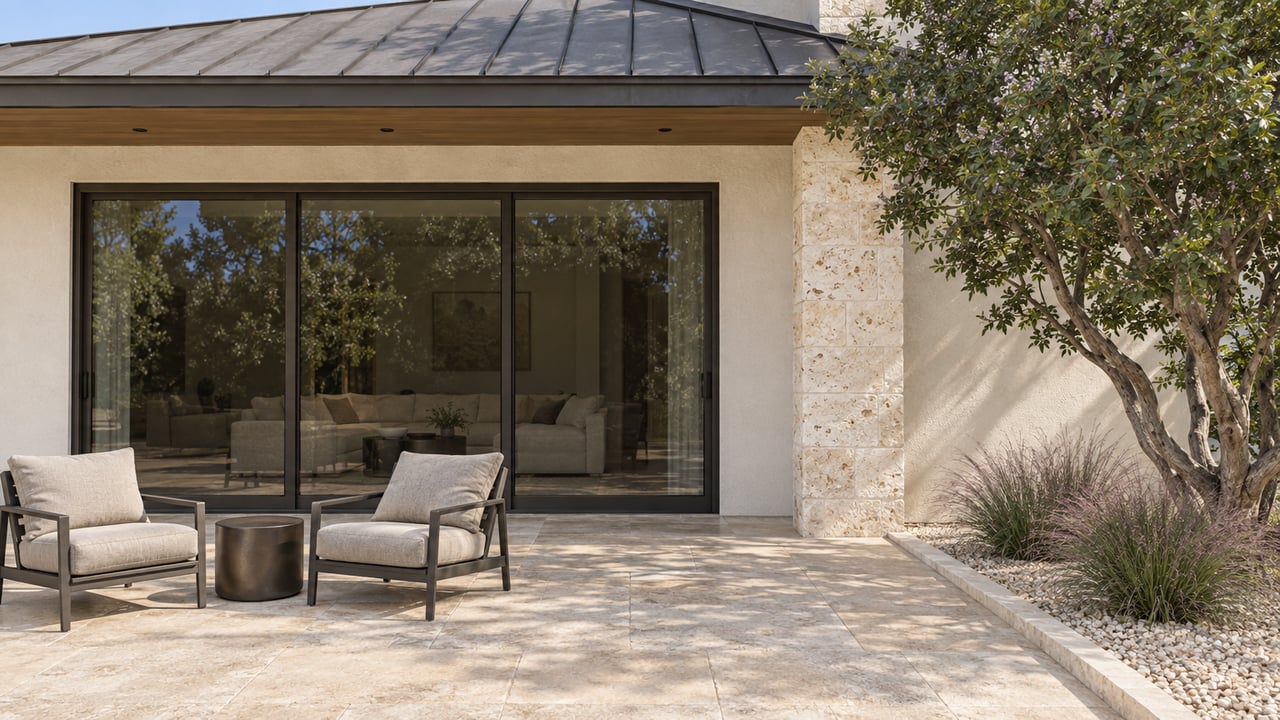
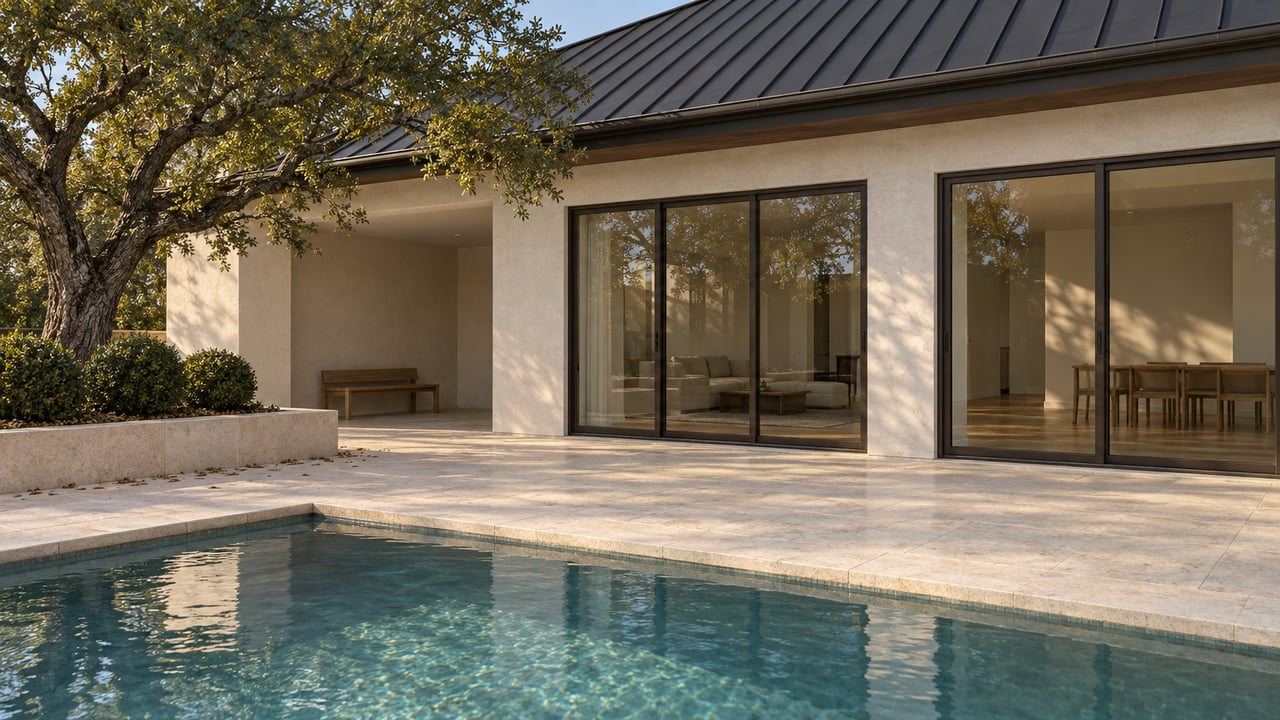
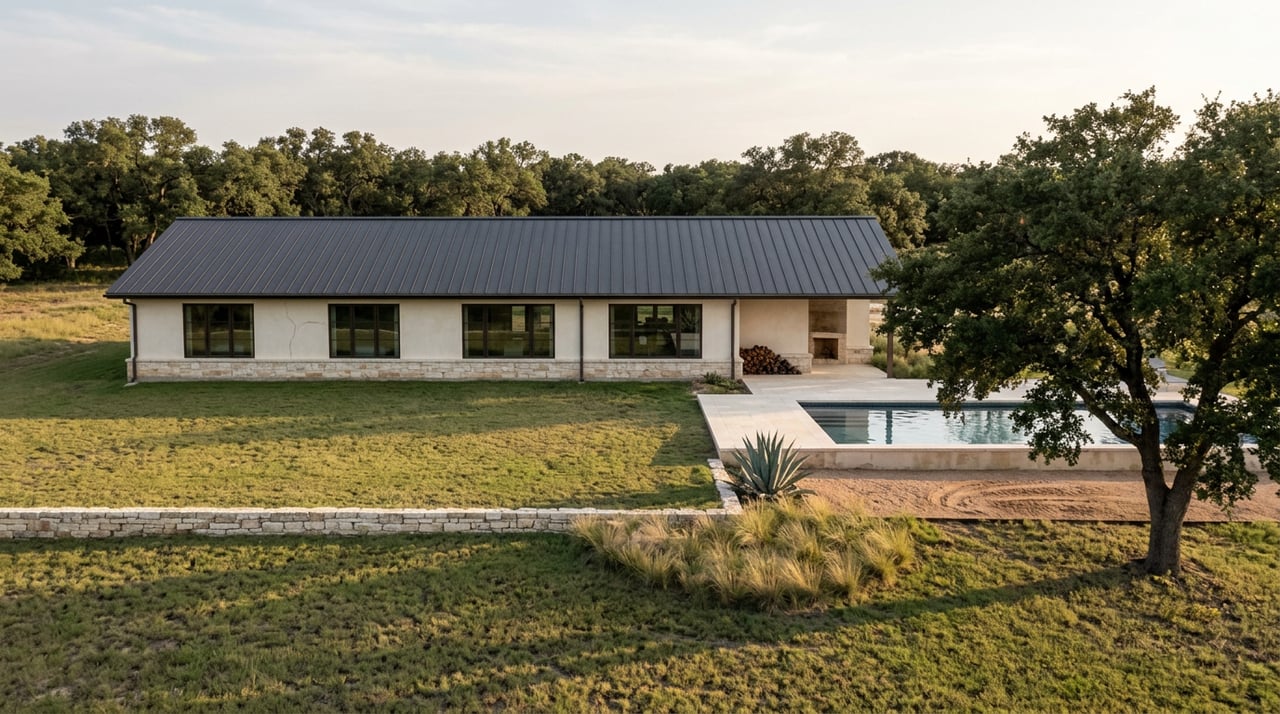
Choose materials that sit quietly in the Hill Country landscape. Natural limestone, wood, muted metal roofs, and low-reflectance glass help the home recede so the view takes the lead. Discovery Land communities prioritize architecture that blends with the land, which often guides exterior palettes and rooflines. For context on design philosophy and review processes, see the club’s About page.
For night skies, use shielded, down-facing fixtures, warm color temperatures, and scene controls. This keeps the creek and vineyards free from glare and preserves the community’s evening ambiance.
Pick native, drought-tolerant plants that frame sightlines without overgrowing windows or view corridors. Keep taller trees away from primary view cones and lean on low-profile grasses and shrubs closer to the house.
Central Texas is wildfire-prone during dry spells, so build defensible space into your plan. Focus on the first 30 to 100 feet around the home by spacing plants, removing ladder fuels, and choosing fire-resistant species. For practical steps and maintenance tips, consult the Texas A&M Forest Service.
Use this quick list to get organized and avoid surprises:
Designing for a signature view takes planning, local knowledge, and steady coordination. Our team pairs market strategy with hands-on guidance, so you can evaluate lots clearly, understand site and HOA constraints, and shape a design brief that fits your goals.
If you are weighing vineyard, creek, or fairway options, we will help you compare locations, gather the right documents, and align your timeline with club and utility requirements. Ready to explore the best lots and listings at Driftwood? Reach out to the Ruth & Evonne Team for a thoughtful, concierge-style approach from first showing to closing.
Stay up to date on the latest real estate trends.
November 19, 2026

November 12, 2026
November 5, 2026
October 29, 2026
October 22, 2026
October 15, 2026
October 8, 2026
October 1, 2026
September 24, 2026