First-Time Buying In Cedar Park: A Local Guide
May 14, 2026
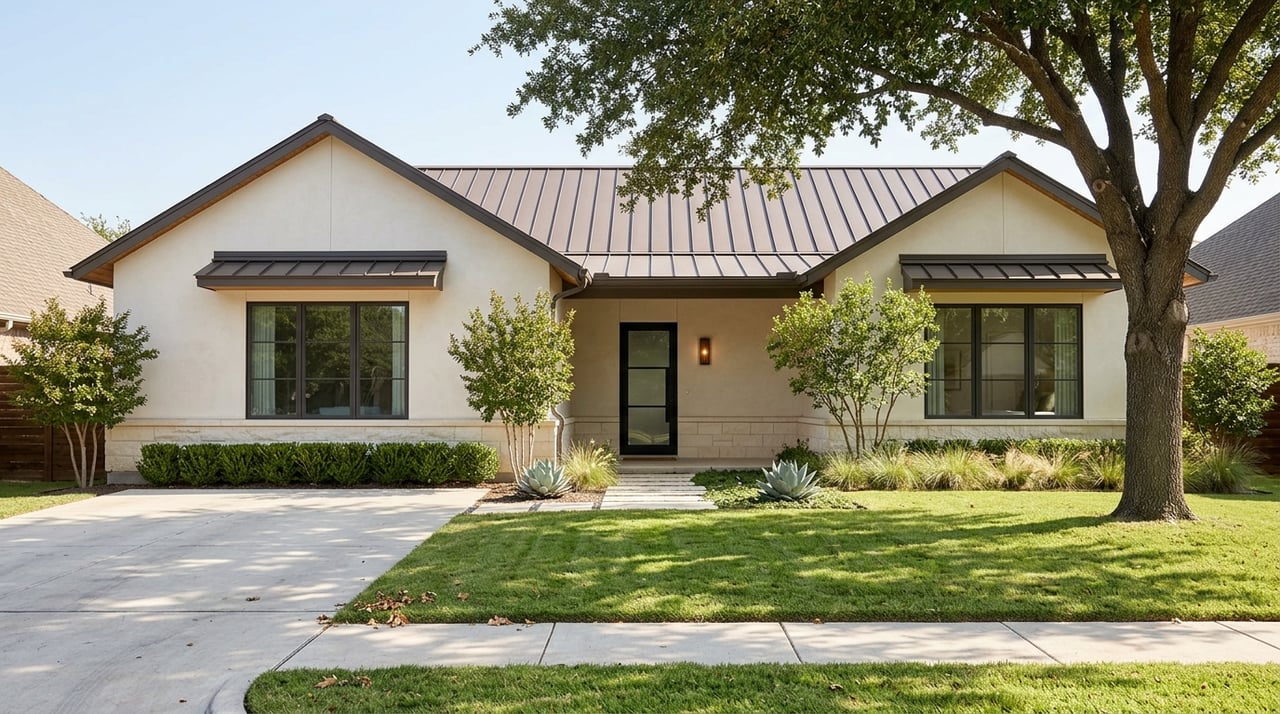
May 14, 2026
Buying your first home in Cedar Park can feel exciting right up until the numbers, neighborhoods, and taxes start getting real. If you are trying to balance budget, commute, monthly payment, and long-term fit, you are not alone. This guide will help you understand what first-time buyers should know about Cedar Park in 2026, from price ranges and neighborhood choices to taxes, school zoning, and a smart step-by-step path forward. Let’s dive in.
Cedar Park sits in a price range that many first-time buyers find possible, but not effortless. Current market data points to a general band in the high $400,000s, with Zillow showing a typical home value of $463,623, Redfin reporting a median sale price of $492,000, and Realtor.com showing a median listing price around $500,000.
That does not mean every home in Cedar Park costs the same. Inventory is modest at about 300 homes, and Realtor.com reported homes selling about 2.19% below asking in March 2026. In plain terms, you should expect some competition, but this is not strictly a frenzy where every listing turns into a bidding war.
One of the biggest mistakes first-time buyers make is focusing only on list price. In Cedar Park, two homes with similar asking prices can have very different monthly costs once you factor in property taxes, HOA dues, and any MUD or PID-related charges.
That is why your real target should be your full monthly payment, not just the purchase price. If you start with a payment you feel comfortable carrying, your home search gets a lot clearer and less stressful.
Cedar Park includes a broad spread of home values depending on location and housing type. Zillow neighborhood data shows examples like Jollyville around $434,343, Cat Hollow around $449,855, and Vista Oaks around $465,080, while areas such as Brushy Creek North, Brushy Bend Park, and Walsh Ranch trend much higher.
For many first-time buyers, that is good news. It means Cedar Park is not one single price point. If you focus on older or more moderate-price neighborhoods instead of newer luxury enclaves, your options may open up.
Many buyers start with one big question: should you buy a new build or a resale home? In Cedar Park, that choice matters because the price gap can be significant.
New construction covers a very wide range here. Cross Creek advertises homes starting in the $390s, while some other new-home communities reach the upper $800,000s, $900,000s, or more. That means “new construction” does not automatically mean affordable or out of reach. You have to compare community by community.
Resale inventory often gives first-time buyers a different kind of value. Recent examples in the market include a Buttercup Creek home around $382,900, a Forest Oaks Path home around $438,100, and a Ranch at Cypress Creek home around $489,600.
New construction can offer several advantages if it fits your budget:
For buyers who want a move-in-ready feel and fewer early repair surprises, that can be appealing.
Resale homes often bring a different set of benefits:
In Cedar Park, resale can be especially attractive when you want to stay near the mid-$400,000 range rather than stretching into a much higher new-build payment.
If you are buying in Texas for the first time, this is one of the most important local details to understand. A home’s list price is only part of the cost. District-related charges can change your monthly payment more than many buyers expect.
According to the Texas Commission on Environmental Quality, MUDs are utility districts that can use tax-supported debt to fund infrastructure like water, sewer, and drainage improvements. PIDs are different. Under Texas Local Government Code Chapter 372, a city or county can create a public improvement district and levy assessments for special-benefit improvements.
Two homes with similar prices may not cost the same month to month. If one property has extra district assessments and the other does not, your true carrying cost can look very different.
A local example is the Ranch at Cypress Creek MUD, which spans parts of southwestern Williamson County and northwestern Travis County. Its district structure is a reminder that utility and tax arrangements can be more layered than they first appear.
Before you get too attached to a home, ask about:
Getting these answers early can save you from falling in love with a payment that does not work in real life.
Cedar Park’s tax picture is worth a close look before you write an offer. The City of Cedar Park offers a homestead exemption on the city portion of the tax bill equal to 1% or at least $5,000 off appraised value, and the city states its portion is less than one-fifth of the overall tax bill.
Williamson Central Appraisal District appraises property as of January 1 and mails notices in early April. Buyers can use WCAD records to review taxing entities, exemptions, sales history, and value information. Since Cedar Park includes addresses in both Williamson and Travis Counties, the county side of the tax bill can vary depending on the home.
When comparing homes, review the exact address, not just the neighborhood name. Taxing entities, exemptions, and district costs can differ from one property to another. That is especially important if you are trying to keep your monthly payment within a firm limit.
For buyers who want to understand school assignment, Cedar Park requires a careful, address-by-address approach. Leander ISD serves parts of Cedar Park across a large service area that includes multiple cities, and its attendance-zone tool directs families to check zoning by the exact home address.
Leander ISD also notes that attendance zones can change from year to year. That means you should not rely on general neighborhood impressions or older listing language when making decisions about a specific property.
School assignment is only one part of the picture. Leander ISD reviews hazardous routes annually, and students who live within 2 miles of their assigned campus are generally not eligible for transportation, subject to route conditions.
For you, that could mean a home is assigned to the campus you want but still requires daily drop-off and pickup rather than bus service. If that matters to your schedule, check it before you buy.
Cedar Park works well for many buyers who want more space while staying connected to Austin. Typical Cedar Park-to-Austin drive times are often about 19 to 25 minutes in standard traffic, with rush-hour drives stretching to around 30 minutes or more depending on destination and day.
That makes Cedar Park a short-to-moderate commute suburb, not an inner-ring option. For many hybrid workers, that balance can make sense, especially if home size or value matters more than being closer to the urban core.
The mobility picture is still evolving. TxDOT’s US 183 frontage-road project between RM 1431 and Avery Ranch Boulevard is expected to finish in 2029 and is intended to improve mobility and safety.
Cedar Park-area buyers should also know that 183A and the MoPac Express Lanes are part of the Austin-area toll network. If you prefer a park-and-ride option, CapMetro lists Lakeline Station Park & Ride and Leander Station Park & Ride.
If you want to stay organized, keep your process simple and local. Cedar Park rewards buyers who verify details early and compare homes based on full monthly cost, not just headline price.
Start with a clear preapproval so you know your workable range. This gives you a realistic budget and helps you move faster when the right home appears.
Build your budget around the full monthly payment. Include principal, interest, taxes, insurance, HOA dues, and any MUD or PID assessments.
Do not assume one path is always better. In Cedar Park, resale may offer a lower entry point, while new construction may offer newer finishes and lower immediate maintenance.
Before making an offer, confirm the exact property’s taxing entities, district status, and school zoning. Cedar Park is a place where these details can vary more than buyers expect.
Even if a home looks updated, an inspection matters. It helps you understand condition, upcoming maintenance, and possible repair costs before closing.
If the home will be your primary residence, prepare to file for the homestead exemption after closing. That step can help reduce your tax burden on the city portion of the bill.
For a first-time buyer, Cedar Park can be a strong option because it offers a range of neighborhoods, housing styles, and price points within reach of Austin. But the details matter here. Taxes, district assessments, county lines, school zoning, and commute tradeoffs can all shape whether a home truly fits your goals.
That is where a local, detail-oriented approach makes a difference. When you have guidance that combines market knowledge with careful transaction support, it becomes much easier to compare choices with confidence and avoid costly surprises.
If you are thinking about buying your first home in Cedar Park, the Ruth & Evonne Team can help you sort through neighborhoods, monthly costs, and next steps with the kind of direct, high-touch guidance that keeps the process clear and personal.
Stay up to date on the latest real estate trends.
November 19, 2026

November 12, 2026
November 5, 2026
October 29, 2026

October 22, 2026
October 15, 2026

October 8, 2026

October 1, 2026
September 24, 2026