Condo Living Around South Congress And Downtown Austin
July 9, 2026
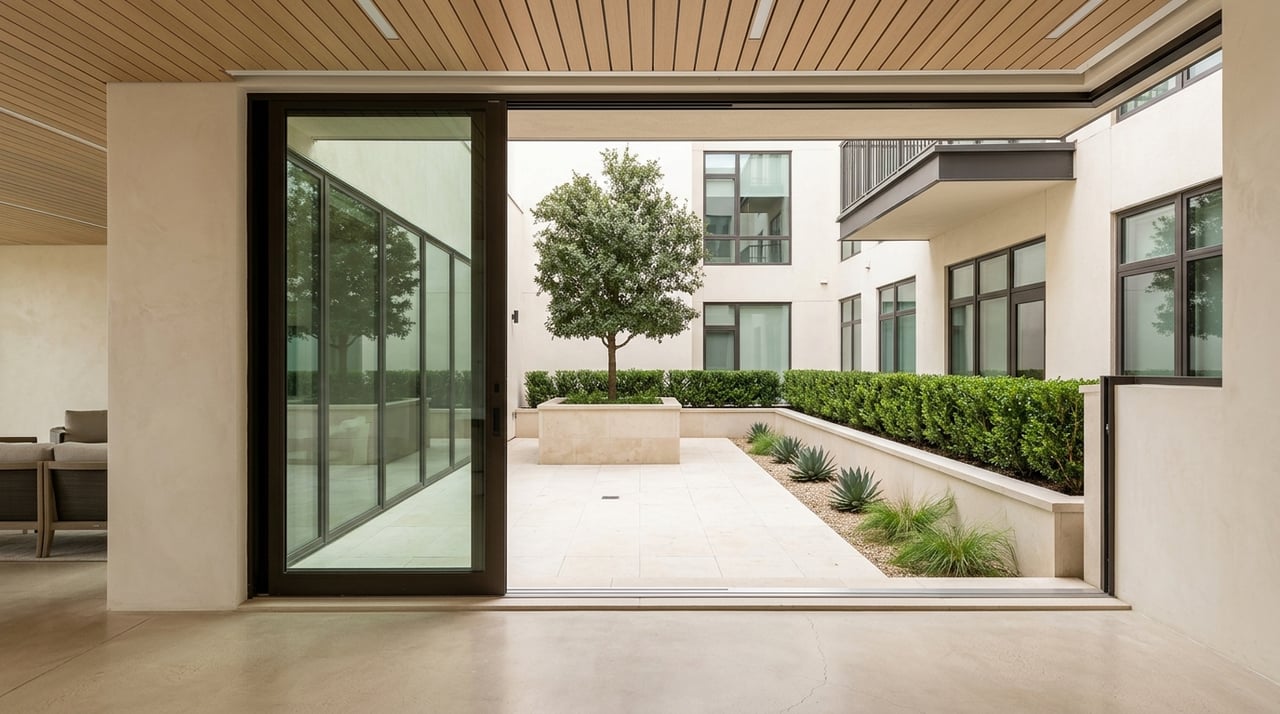
July 9, 2026
Wondering whether condo living near South Congress or downtown Austin fits the way you actually live? This part of Austin offers a very specific mix of walkability, trail access, transit options, and building styles that can feel exciting, but it also comes with tradeoffs around parking, HOA structure, and storage. If you are comparing buildings in this area, the right choice often comes down to daily routine more than flashy amenities. Let’s dive in.
Condo living around South Congress and downtown Austin is shaped by how the city plans these districts. The Downtown Austin Plan supports a dense, livable, mixed-use center with a range of housing choices, while the Great Streets approach prioritizes pedestrians first, then transit, then bicycles, then cars. In the South Congress area, planning guidance also encourages parking beside, behind, or under buildings rather than in front.
That planning shows up in everyday life. Many buildings compete on walkability, bike storage, terraces, and shared amenity space instead of yard size. If you are moving from a detached home or a more car-oriented area, that shift can be a major lifestyle change.
One of the biggest draws here is access to Lady Bird Lake and the Ann and Roy Butler Hike-and-Bike Trail. The trail forms a 10-mile loop and serves as both a recreation amenity and an alternate transportation route for many residents. For buyers who like to jog, bike, paddle, or simply get around without always driving, that matters.
Transit access is another advantage. CapMetro’s 801 high-frequency route connects South Congress, downtown, UT, Hyde Park, North Lamar, Rundberg, Chinatown, and Tech Ridge. If you want a more car-light routine, this is one of the stronger parts of Austin to consider.
That said, convenience here does not always mean easy curb parking. Both downtown and parts of South Congress operate as paid parking districts, with South Congress managed block by block in areas stretching roughly from South 1st to Newning Avenue and from Oltorf to Riverside Drive. If guests visit often, or if you rely on street parking, that detail deserves attention.
Not all condos in this submarket live the same. Building size has a big effect on the type of amenities, the feel of the property, and often the day-to-day rhythm of living there.
In larger downtown towers, the amenity package can be extensive. Public marketing for some high-rise buildings shows more than 20,000 square feet of shared amenities, including pools, fitness areas, owner lounges, guest suites, work spaces, and entertainment rooms.
For some buyers, that can feel like a vertical resort. If you want shared gathering spaces, fitness access in the building, and a more service-oriented environment, a high-rise may check a lot of boxes.
Mid-rise condo buildings often offer a middle ground. Public examples in this area advertise features like concierge service, secure parking garages, storage, rooftop pool decks, club rooms, fitness centers, terraces, and on-site management.
This type of building can appeal if you want solid amenities without the scale of a major tower. You may still get a strong lock-and-leave setup, but with a slightly different feel than a high-rise.
Smaller-scale buildings near Travis Heights and the South Congress edge often feel more residential. Based on the South Congress neighborhood plan and local amenity patterns, these properties may trade larger shared spaces for location, quieter surroundings, balconies or patios, and simpler parking access.
If your priority is being close to South Congress while keeping a lower-profile living environment, this category may deserve a closer look. In many cases, the value is less about a long amenity list and more about how the building fits your routine.
A condo in Texas is not just an apartment with an HOA attached. Under Texas Property Code Chapter 82, a condominium combines separate ownership of a unit with shared ownership of the common property. That legal structure affects what you own, what the association maintains, and how costs are shared.
For buyers, HOA dues are really part of the building’s operating and reserve structure. Texas law requires the association to adopt a budget after the initial assessment and make common expense assessments at least annually. Those charges can include regular dues, special assessments, fees, interest, late fees, fines, collection costs, and attorney’s fees, and unpaid assessments are secured by a continuing lien on the unit.
That is why a low monthly number does not tell the full story. You want to understand what the dues cover, how reserves are handled, and whether the association has needed special assessments.
The condo documents are not just paperwork to skim. Texas law requires associations to maintain detailed financial records, owner records, voting records, minutes, and plans and specifications. The association must also complete an annual audit that owners can review.
Another important document is the management certificate filed in county records. It includes key information such as declaration data, contact information, and any transfer fees charged at sale. Texas law also allows a resale certificate fee of up to $375.
If you are comparing two otherwise similar condos, the better-run association can make a real difference. This is one area where careful review helps you buy with more confidence.
In this part of Austin, parking is not something you should assume. Austin removed minimum parking requirements citywide in 2023, which means parking supply is now a project-level decision rather than a citywide baseline requirement. The city also does not manage private off-street garages or lots.
That makes private parking details especially important. A building may include deeded parking, assigned spaces, tandem parking, leased spaces, or no parking at all. The difference can affect convenience, resale appeal, and your monthly costs.
Storage matters too, especially in a trail-oriented area where buyers may have bikes, strollers, kayaks, or seasonal gear. Public condo marketing in this submarket shows some buildings advertising on-site storage or garage-level storage, which can be useful if your unit itself is compact.
When you tour condos around South Congress or downtown Austin, it helps to compare more than finish level and views. A beautiful lobby can distract from the practical details that shape day-to-day living.
Here are smart questions to ask:
These questions may not feel glamorous, but they often tell you more than the staging does.
If rental flexibility matters to you, verify both the HOA rules and the city rules. Austin licenses short-term rentals annually, and the city treats mixed-use sites differently from purely residential buildings. Even so, an HOA may still prohibit or limit uses that the city would otherwise license.
That means you should not rely on assumptions or broad statements about what is allowed. If future rental use is part of your decision, the building documents and city classification both matter.
In South Congress and downtown Austin, the best condo is rarely just the one with the most amenities. A better comparison framework is to weigh five things together: amenity density, parking certainty, storage, HOA financial health, and block-level livability.
For example, a larger building with more amenities may work well if you want a lock-and-leave lifestyle and use shared spaces often. A smaller building might be a better fit if you care more about quieter surroundings, simpler access, and a more residential feel. The right answer depends on how you live from Monday through Sunday, not just how the property looks on tour day.
If you want help comparing condo options around South Congress, Travis Heights, or downtown Austin, the Ruth & Evonne Team offers thoughtful, high-touch guidance rooted in deep local knowledge.
Stay up to date on the latest real estate trends.
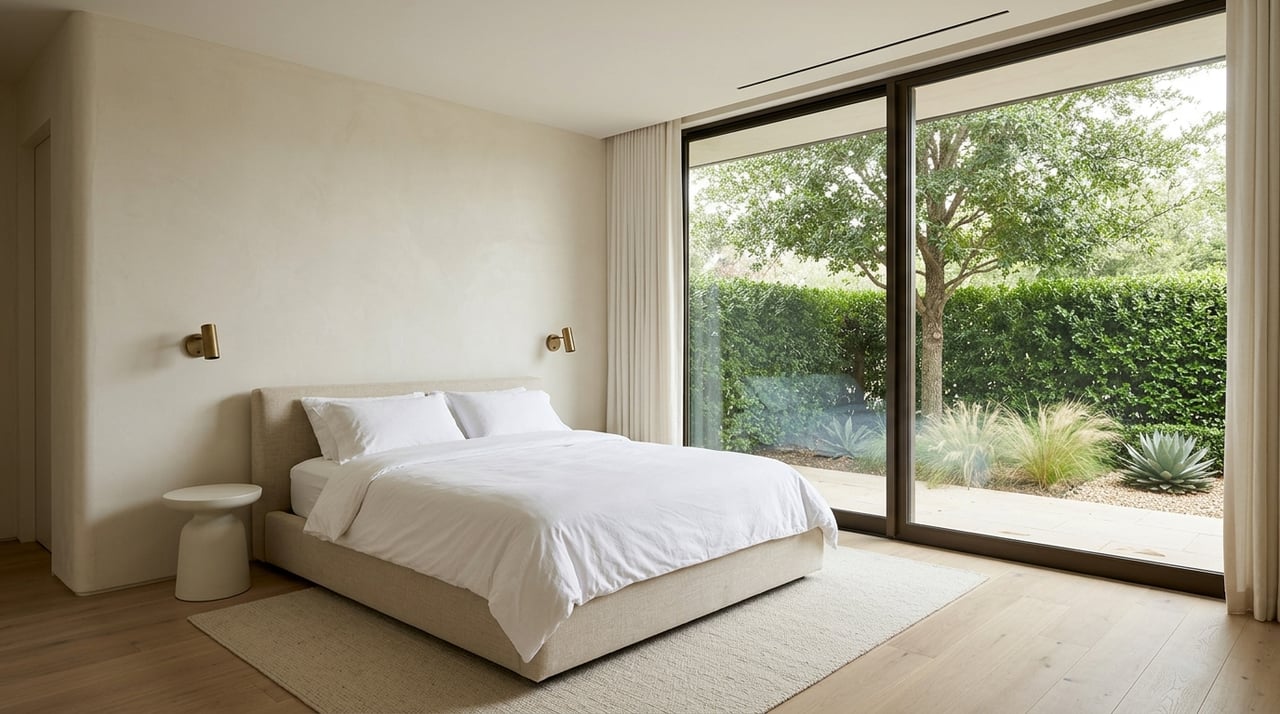
July 23, 2026
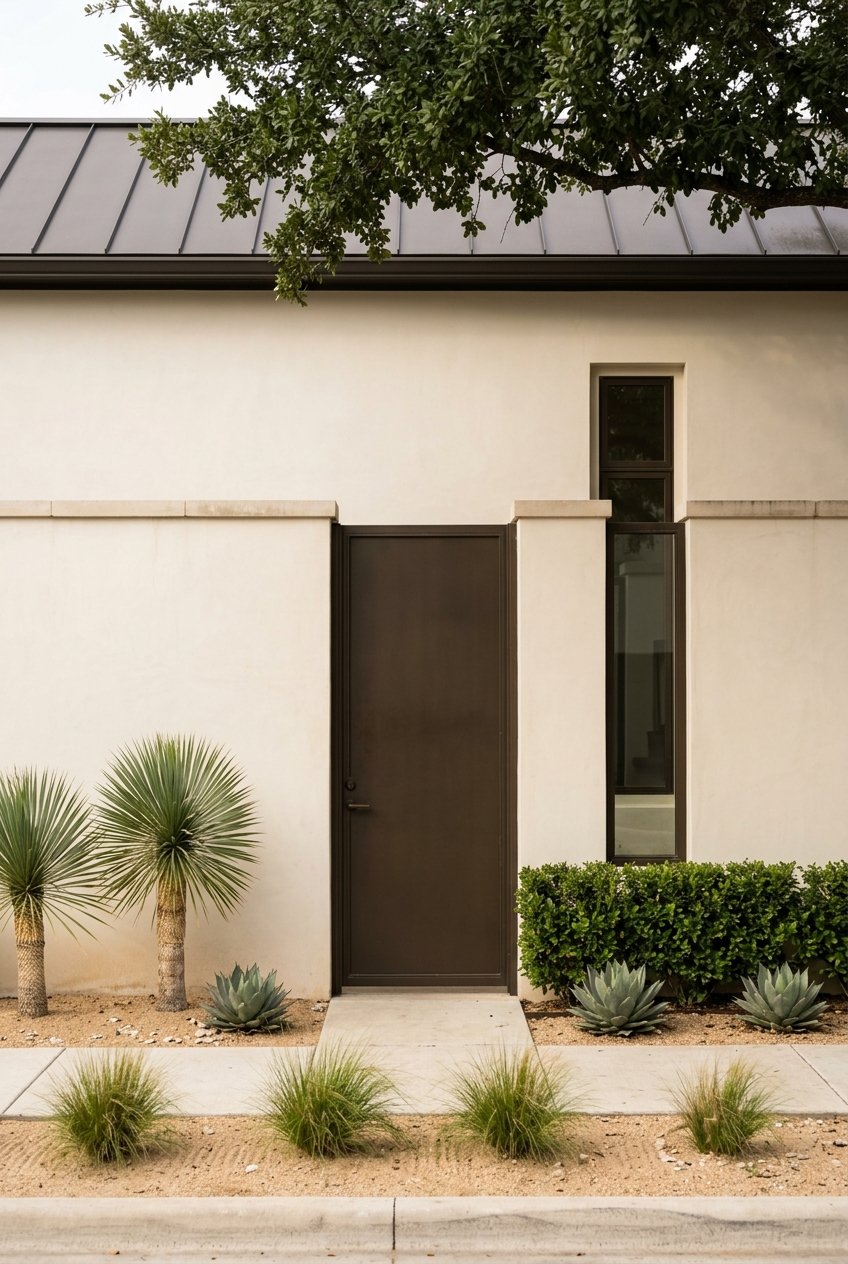
July 16, 2026
July 9, 2026
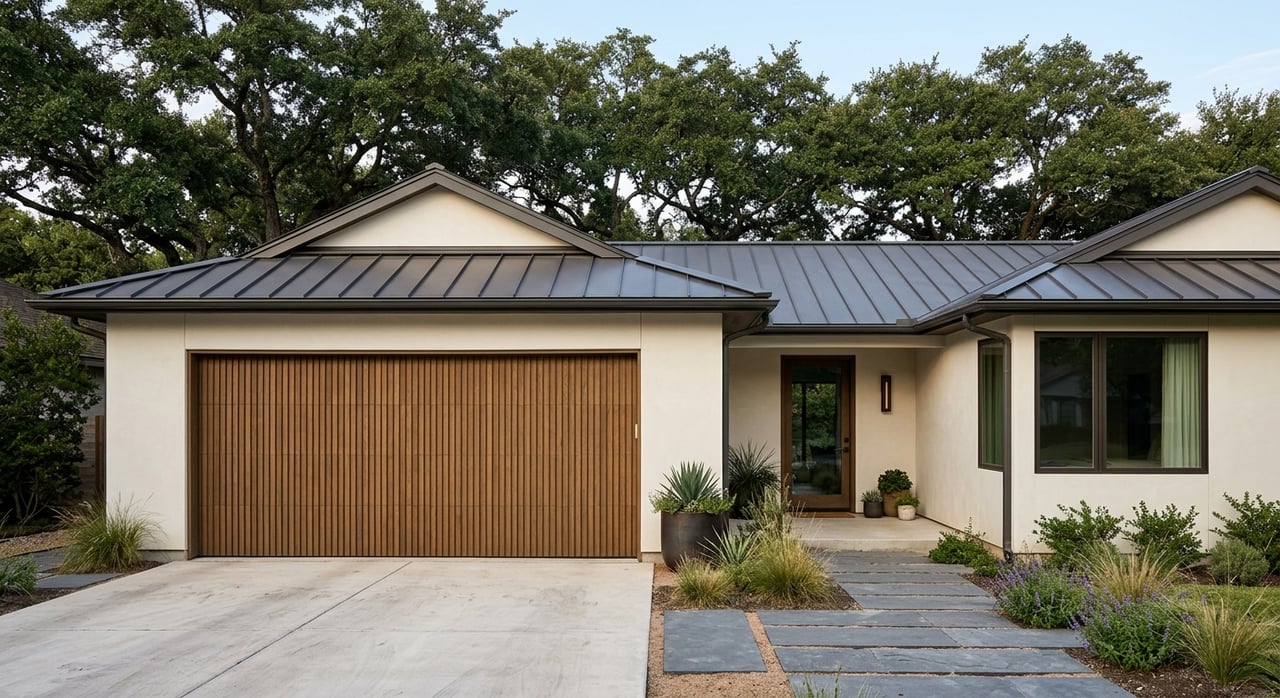
July 2, 2026
June 25, 2026
June 18, 2026
June 11, 2026
June 4, 2026
May 28, 2026